

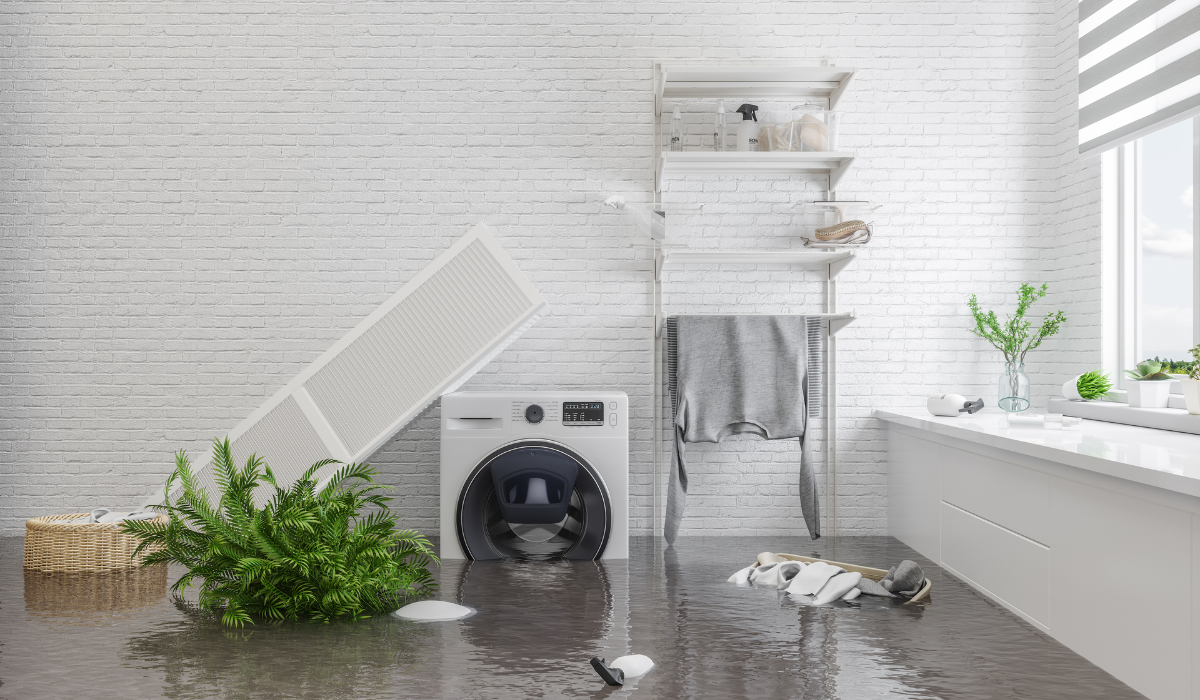
Water damage is among the most common yet costly problems you’re likely to face as a homeowner. No matter the source—whether from a burst pipe, leaky roof, or malfunctioning appliance—water intrusion can rapidly spiral out of control, compromising structural integrity, interior aesthetics, and even leading to mold growth. Professional water damage restoration service NJ experts can help you address these issues quickly and effectively, minimizing long-term damage and restoring your property to its original condition.
Here are 10 vital steps to take when water damage hits your home:
Ensure the Area Is Safe to Enter
Check for immediate hazards, such as wet floors, damaged ceilings, and loose cords. If water has entered your electrical outlets or appliances, you should switch off the power to that section using your circuit breaker. Do not enter standing water until professionals have declared it safe to do so.
Find and Shut Off the Water
Most water damage results from internal causes, including burst pipes, roof leaks, malfunctioning water heaters, or overflowing appliances. Find the source and plug it in at once. If you’re not sure, turn off the home water supply and call a water damage restoration service in NJ for an expert opinion.
Document the Damage Before Cleanup
Before you start pulling anything out, take pictures and video of all visible damage, i.e., the walls, flooring, furniture, and any personal effects. This is so crucial because of your insurance claim and also to direct the restoration team in determining what needs to be done.
Notify Your Insurance Provider Promptly
Report the vandalism right away. Document the issue and its root cause thoroughly. Most insurance policies include sudden and accidental water damage but exclude long-term seepage or floodwater. Your insurance company might suggest you hire a certified water damage restoration team for initial mitigation.
Contact a Professional NJ Water Damage Restoration Service
Time is critical. Professionals recommend starting the extraction and drying of a water-damaged structure within 24-48 hours to prevent mold. Specialists are trained to use moisture meters, thermal imaging, and industrial-strength pumps to identify hidden water and make sure the drying process is thorough.
 Pin
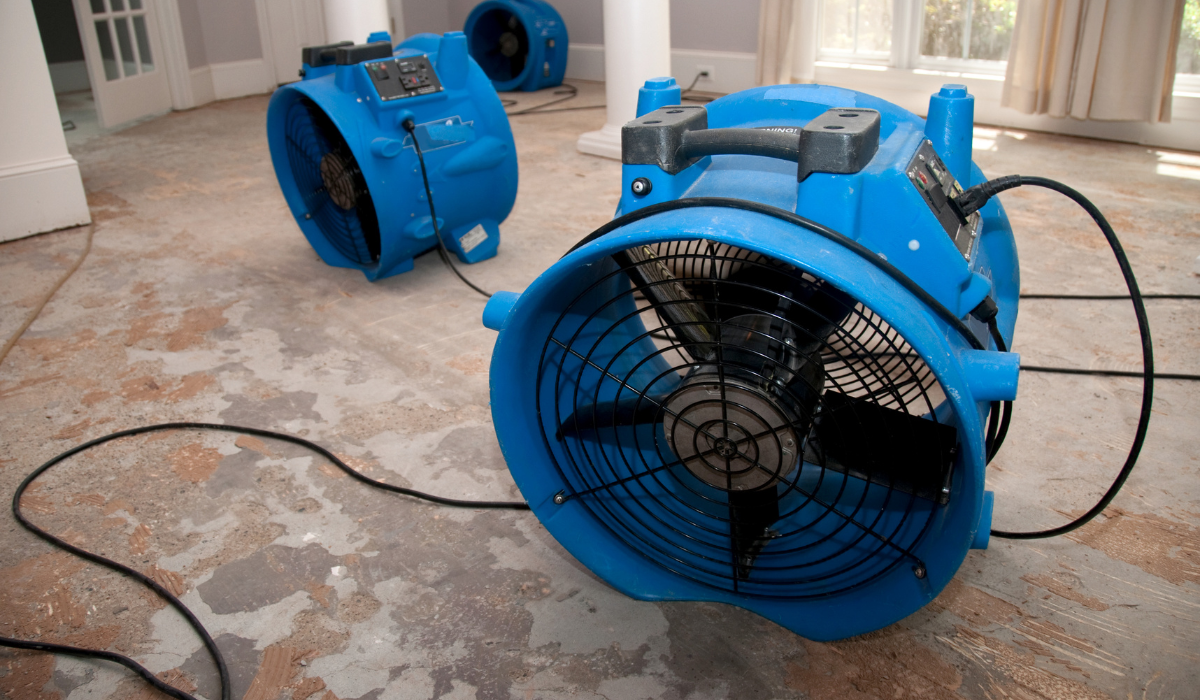
PinWater Removal and Structural Drying
Any standing water should be eliminated to return everything to normal. Restoration experts also employ powerful air movers and dehumidifiers. Even minor amounts of lingering dampness can compromise drywall, flooring, or wooden framing, so complete drying is necessary.
Remove Unsalvageable Materials Safely
Porous materials, such as carpet padding, insulation, and wet drywall, can carry bacteria and typically need to be thrown away. A water damage cleanup in NJ team will extract these things gently in order to protect and preserve all the salvageable areas of your home.
Sanitize and Deodorize Thoroughly
Once dry, the affected region has to be cleansed with antimicrobial solutions to kill bacteria and avert mold. Restoration professionals tend to use EPA-registered disinfectants and HEPA filtration air purifiers to clean the indoor air.
Check and Tackle Mold Growth Early on
Go ahead and sniff for musty smells or discoloration on walls. They can inspect your air quality and provide mold remediation to protect your home and health from future illness.
Restore, Protect, and Prevent Further Condition Damage
When your home is clean and dry, restoration professionals take on the repairs you can’t do yourself, like replacing drywall, repainting, and finishing floors. If you don’t want to put your property or health at risk, call a professional water damage cleanup in NJfor an intensive audit of the damage and to have your home properly dried and restored.
Get gorgeous projects via email
