

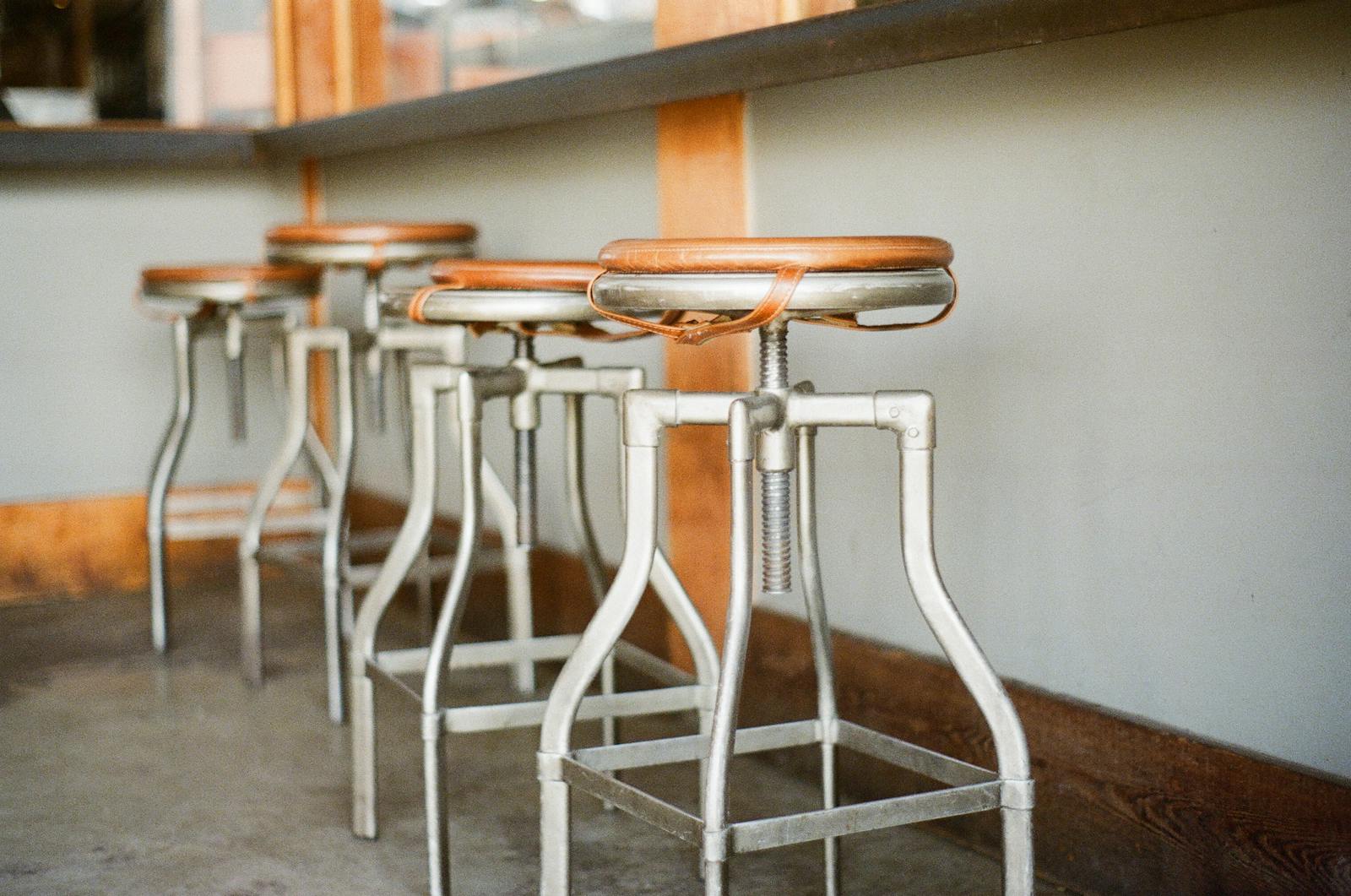
Selecting the right metal bar stool goes far beyond visual appeal. Whether you’re furnishing a modern kitchen, a bustling bar, or a cozy breakfast nook, your metal bar stools should strike a perfect balance between style, durability, and practicality. A well-chosen stool can elevate your space — both in comfort and aesthetic — making it essential to understand the elements that define quality.
Here are some key factors to consider when choosing the ideal metal bar stool.
Consider Height and Proportions
Bar stools come in multiple height variations, and choosing the correct one is crucial for comfort and functionality. Standard counter heights (36″) typically pair with stools around 24″–26″ tall. For bar heights (42″), opt for stools around 28″–30″. Always leave 10″–12″ between the stool seat and the underside of the counter for optimal legroom.
Also, measure the width of your counter and plan for the spacing between stools. Allow at least 6″–8″ between each stool to give people enough room to sit and move comfortably. If your layout includes corners or islands, factor in clearance for walkways and foot traffic.
Evaluate the Material Quality
Metal bar stools are prized for their resilience, but not all metals are created equal. Focus on two core options:
Aluminum: Lightweight, rust-resistant, and easy to maintain. It is ideal for humid environments, such as kitchens or outdoor patios. Aluminum’s corrosion resistance makes it perfect for long-term use with minimal upkeep. Galvanized aluminum variants offer even more protection and are available in a wide range of finishes and colors.
Steel: Stronger and heavier than aluminum, steel is well-suited for high-traffic areas, such as commercial bars or cafes. Powder-coated steel adds an extra layer of protection against chips, scratches, and moisture damage, all while offering a smooth, polished finish in multiple hues.
Choosing the right material ensures your stools retain both their structure and appearance over time.
Focus on Comfort and Ergonomics
Comfort is often overlooked in bar stools, especially those made from metal. However, a well-designed stool should encourage good posture and prolonged sitting without discomfort.
Look for features like:
- Backrests — Choose from low-profile for sleek aesthetics or high-back for added support.
- Footrests — Integrated foot bars or rings reduce leg fatigue and improve posture.
- Cushioned seats — Upholstered options in vinyl or easy-clean fabric provide comfort without sacrificing practicality.
In multi-use spaces, consider adjustable height stools that cater to both kids and adults. Swivel bases also add convenience in tight areas, allowing users to pivot without scraping floors or lifting the entire stool.
Match the Style to Your Space
From industrial to farmhouse, the design of your metal bar stool can complement or define the atmosphere of a room.
Industrial styles feature raw finishes, exposed welds, and clean lines — perfect for urban lofts or contemporary kitchens.
Classic silhouettes with decorative details or curved legs are well-suited for more traditional or transitional interiors.
Minimalist stools feature clean geometry and muted tones, ideal for Scandinavian or modern aesthetics.
Finishes like matte black, brushed nickel, chrome, or antique bronze help tie the stool design into your existing palette. Consider whether your stools should blend in or stand out as a focal point.
Prioritize Stability and Construction
Build quality makes the difference between a stool that lasts years and one that wobbles after a few months. Inspect welds, joints, and base construction carefully. Crossbars or footings not only add comfort but also provide structural reinforcement.
Stools with wide bases offer better balance, especially on smooth or uneven floors. Look for non-slip feet or protective glides to prevent sliding and protect surfaces from scratches.
For high-traffic or commercial spaces, heavy-duty construction is a non-negotiable requirement. Select stools rated for commercial use and verify their weight capacity specifications.
Simplify Cleaning and Maintenance
Metal stools are relatively low-maintenance, but intelligent design choices make cleaning even easier.
Favor stools with:
- Smooth surfaces and minimal crevices
- Powder-coated or sealed finishes that resist fingerprints, stains, and moisture
- Stain-resistant cushions or removable covers for easy washing
In busy environments like home kitchens or restaurants, cleanability becomes as essential as style. Investing in stools with easy maintenance will save time and preserve their appearance in the long term.
Consider Adjustability and Flexibility
If your space serves multiple functions, such as dining, working, and entertaining, flexible seating is invaluable.
Adjustable height stools with gas-lift mechanisms adapt to different users and surfaces.
Swivel stools are ideal for narrow areas or social settings, enabling smooth entry and exit without the need to drag the stool.
Stackable designs or stools with low-profile frames make storage easier in multipurpose rooms.
Consider how the stool will be used daily and choose options that complement the rhythm of your space.
Choosing the right metal bar stool is a blend of form and function. It requires attention to height, comfort, durability, and design. Whether outfitting a sleek home bar or a bustling dining space, thoughtful selection ensures your seats and stools provide lasting value and style.
Explore metal bar stools that match your vision — from refined minimalist designs to rugged industrial builds. With the right choice, your seating can not only enhance the appearance of your space but also its feel and functionality every day.
Get gorgeous projects via email
