

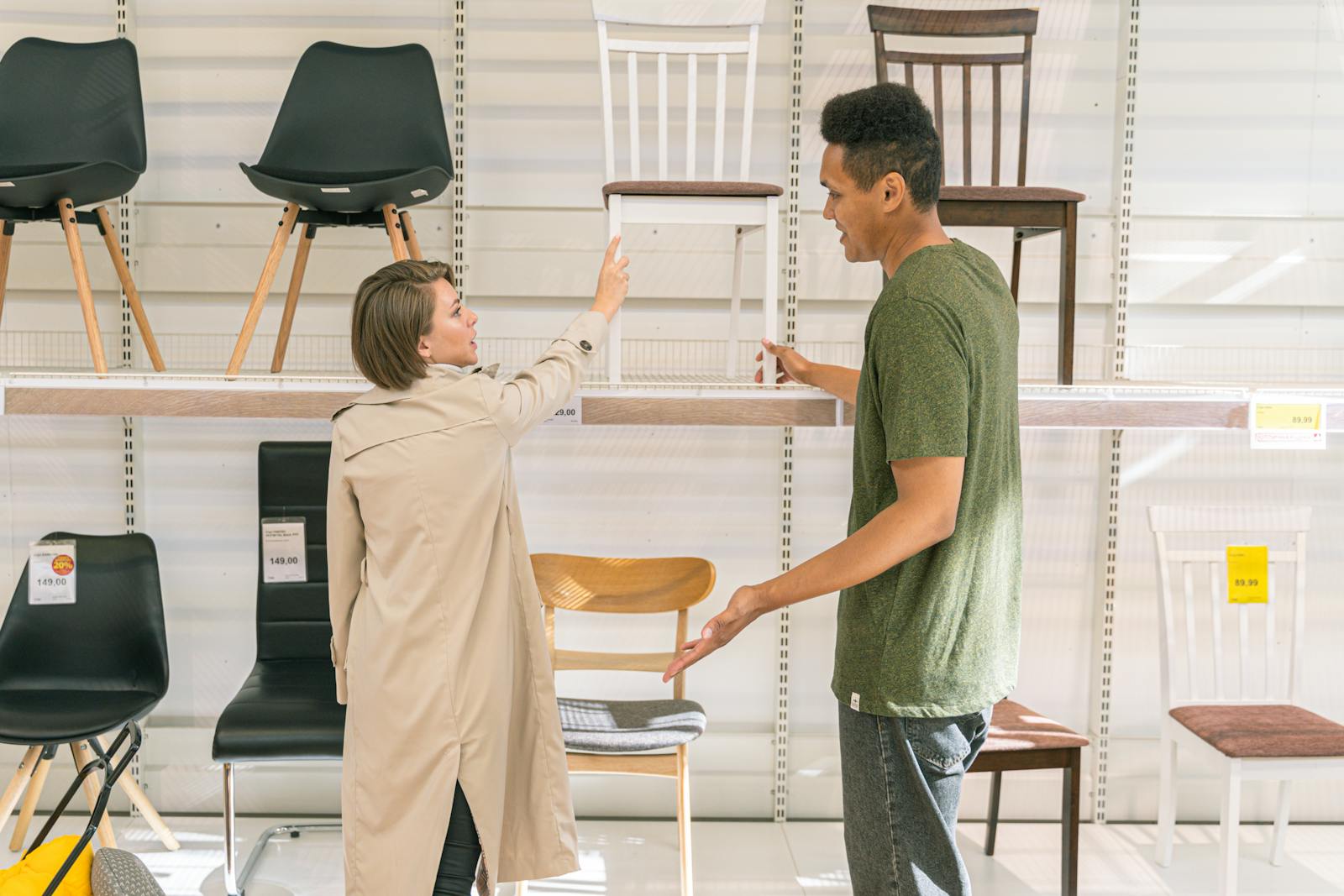
Furniture has always reflected culture, design, and lifestyle. But in the last decade, the way people shop for it has changed more than ever before. From AR-powered try-before-you-buy tools to AI-driven personalization, digital innovation is redefining how furniture is discovered, chosen, and purchased.
Why Furniture E-Commerce Matters
Furniture was once thought too bulky, expensive, and complicated for e-commerce. Yet the pandemic accelerated digital adoption, and now most consumers begin their shopping journey online. Retailers that once relied on showrooms now compete with global digital-first marketplaces.
Key Trends Driving the Future
AR & VR Shopping
Apps now let buyers visualize products in their homes, reducing uncertainty and boosting confidence.
Sustainability Storytelling
Eco-conscious shoppers want brands that highlight sustainable sourcing and responsible production. Transparency is a selling point.
Modular & Subscription Models
Flexibility is in demand, especially among younger renters. Modular furniture and subscription options appeal to this market.
Immersive Community Experiences
Furniture is aspirational. Digital communities, Pinterest inspiration boards, and influencer-led “room makeovers” help consumers imagine new possibilities.
Marketing Challenges
- High purchase anxiety – Consumers hesitate without physical experience.
- Global competition – Marketplaces crowd out independent brands.
- Logistics – Long lead times and bulky shipping are hurdles.
Solutions Through Strategy
Smart digital marketing helps brands cut through. Strategies include:
- SEO & Content – Optimizing for search queries like “best ergonomic desk for home office.”
- Programmatic Ads – Keeping products visible across the long decision cycle.
- Influencer Partnerships – Working with designers, architects, and content creators.
- Data Personalization – Recommending bundles and curations that reduce overwhelm.
Why Specialized Partners Are Valuable
For brands, it’s challenging to balance product design, logistics, and digital growth. Many choose to collaborate with a furniture marketing agency that understands the design industry, consumer psychology, and analytics. Agencies help brands create strategies that balance aesthetics with measurable performance.
The Road Ahead
Expect growth in:
- AI-powered shopping assistants.
- AR/VR room planning as a standard.
- Sustainable-first design becoming table stakes.
- Direct-to-consumer scaling alongside traditional retail.
Final Thought
Furniture will always be about design, comfort, and craftsmanship—but in the modern era, it’s equally about digital visibility. The brands that integrate digital innovation into their DNA will lead the next generation of furniture shopping.
Get gorgeous projects via email
