

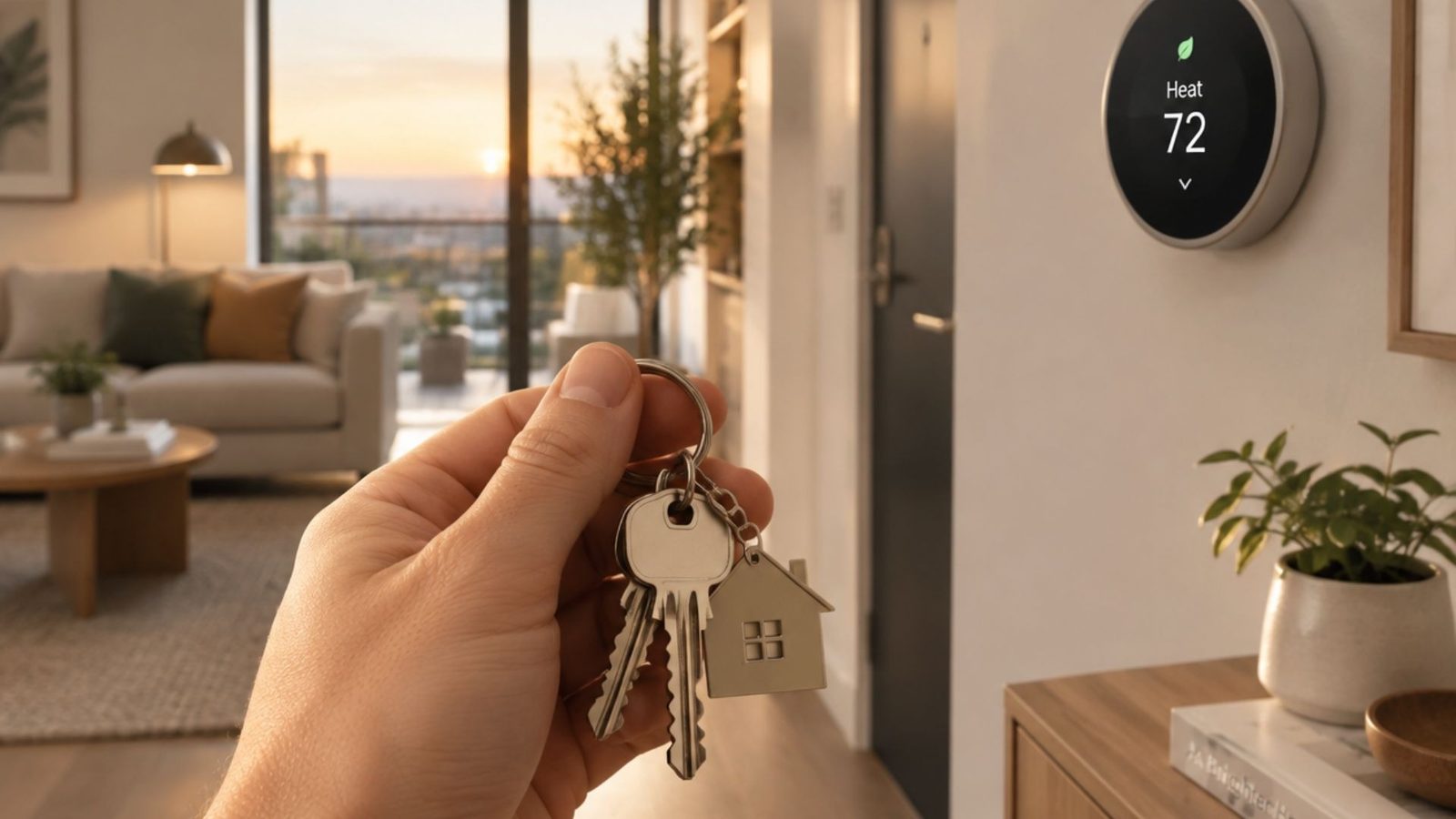
Closing day is exciting, and the to-do list that follows can be overwhelming. Between unpacking boxes and changing the locks, your heating and cooling system can easily slip to the bottom of the list. That is a mistake, because HVAC is usually one of the biggest systems in the house and one of the most expensive to fix.
The first month is the best time to get to know what you have. Here are eight things worth doing before the next heat wave or cold snap.
1. Find Out How Old Your System Is
Start with the basics. Locate your furnace and outdoor air conditioner and look for the label on each one. It usually lists the model number and a manufacture date or a serial number that can be decoded online. Most systems last somewhere around 10 to 20 years depending on the type and how well they were maintained, so knowing the age helps you plan for replacement instead of being surprised by it.
2. Ask for the Service History
Ask the sellers or your agent whether they kept records of repairs, tune ups, and filter changes. A system that was serviced every year is a very different purchase from one that was ignored. If there are no records, that is useful information too. It tells you to book an inspection sooner rather than later.
3. Schedule a Professional Tune Up
Even if the home inspection went well, a full HVAC tune up gives you a closer look. A technician can check the burner, the blower, the electrical connections, the refrigerant, and the condensate drain, and spot small problems before they become expensive ones. It also gives you a baseline, so you know what normal looks like for your system going forward.
4. Change the Filter Right Away
Do not assume the filter is fresh. Replace it as soon as you move in, and write the date on the frame. A clogged filter restricts airflow, makes the system work harder, and lets dust circulate through your living space. Check your owner’s manual or the old filter for the right size, and set a reminder to swap it every one to three months, depending on the type and how many people and pets live in the home.
5. Learn Where the Shutoffs and Switches Are
Take ten minutes to find the furnace power switch, the breaker for the air conditioner, the water shutoff for any humidifier, and the gas shutoff near the furnace. If something goes wrong in the middle of the night, you will be glad you already know where everything is. Label them if they are not already marked.
6. Test Every Vent and Room
Walk through the house on a day when the system is running and put your hand over each vent. Note any rooms that feel noticeably warmer or cooler than the rest, and any vents that are weak or blocked by furniture. Uneven temperatures can point to closed dampers, leaky ducts, or a system that was not sized properly. Write down what you find so you can pass it along to a technician.
7. Set Up a Maintenance Routine
The easiest way to keep a system healthy is to put it on a schedule. Heating and cooling equipment generally benefits from a check once in the spring and once in the fall. Many homeowners find it easier to sign up for a seasonal maintenance plan that handles the reminders and visits for them, rather than trying to remember each year. Whichever way you go, getting it on the calendar in your first month sets a good habit from the start.
8. Check the Thermostat and Program It
Many new owners inherit an older thermostat that no one has touched in years. Make sure it is reading correctly and responding properly, then set a schedule that matches your routine. Lowering the heat or raising the cooling setting when you are asleep or away can trim your energy use without costing you any comfort. If the unit is outdated, a newer model with programming options is an inexpensive upgrade.
A Quick New Homeowner HVAC Checklist
- Find the model and age of the furnace and air conditioner
- Request any service records from the sellers
- Book a professional tune up
- Replace the air filter and note the date
- Locate the power switches, breakers, and shutoffs
- Check airflow at every vent
- Put maintenance on the calendar
- Program the thermostat
Final Thoughts
Your heating and cooling system works quietly in the background, which makes it easy to forget until something goes wrong. Spending a few hours in the first month to learn how old it is, how it has been treated, and what it needs gives you a real advantage. You will know what to budget for, you will catch small issues early, and you will be far more comfortable when the weather turns. Think of it as part of moving in, right alongside unpacking the kitchen.
Get gorgeous projects via email
