

Beautiful wall finishes are not created by materials alone. They are the result of years of practical experience, technical experimentation, careful preparation, and an understanding of the relationship between design expectations and construction realities.
In contemporary architecture, walls have become far more than structural boundaries. They establish atmosphere, influence how light interacts with a space, introduce texture, and often become the defining visual element of an interior.
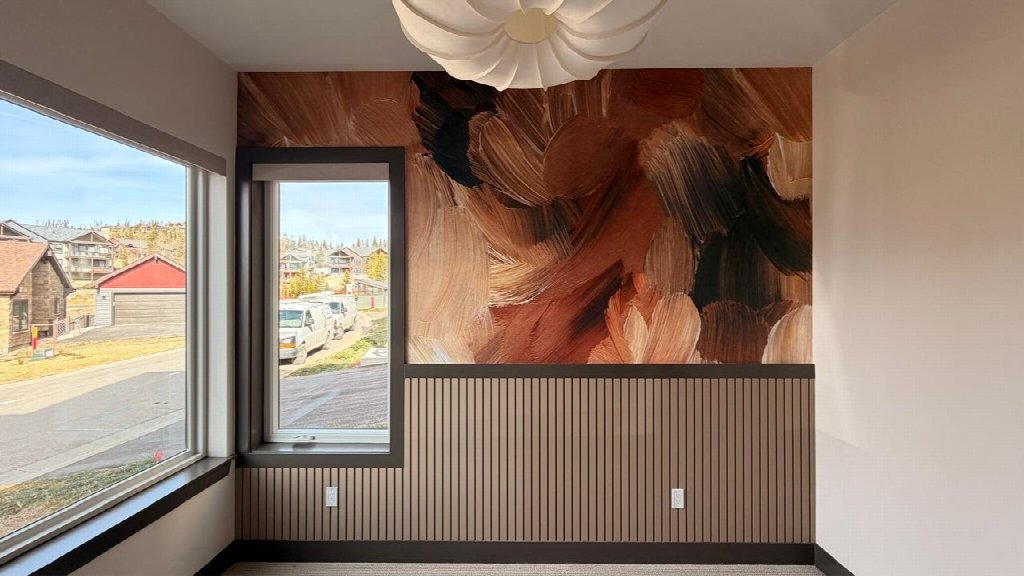
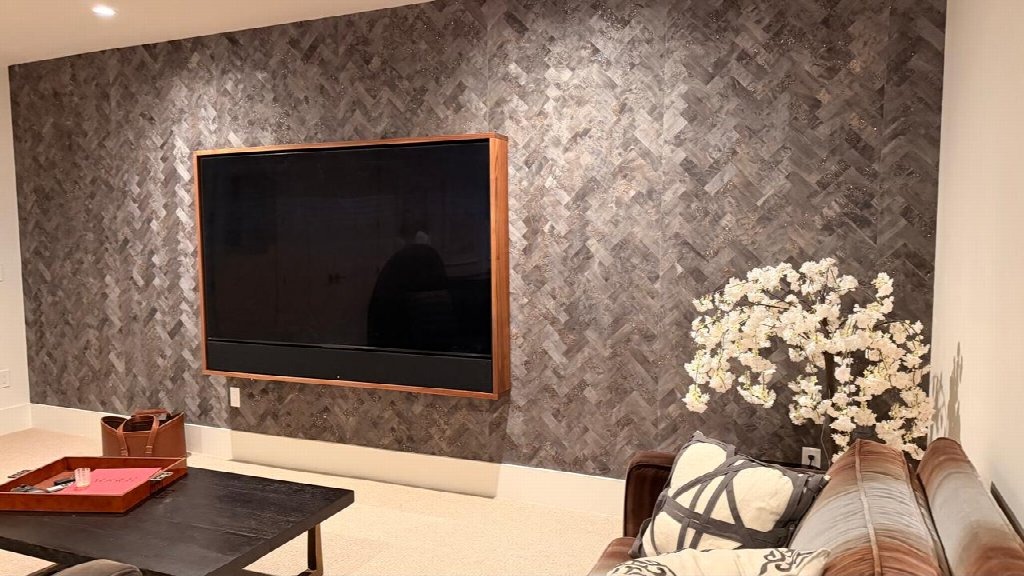
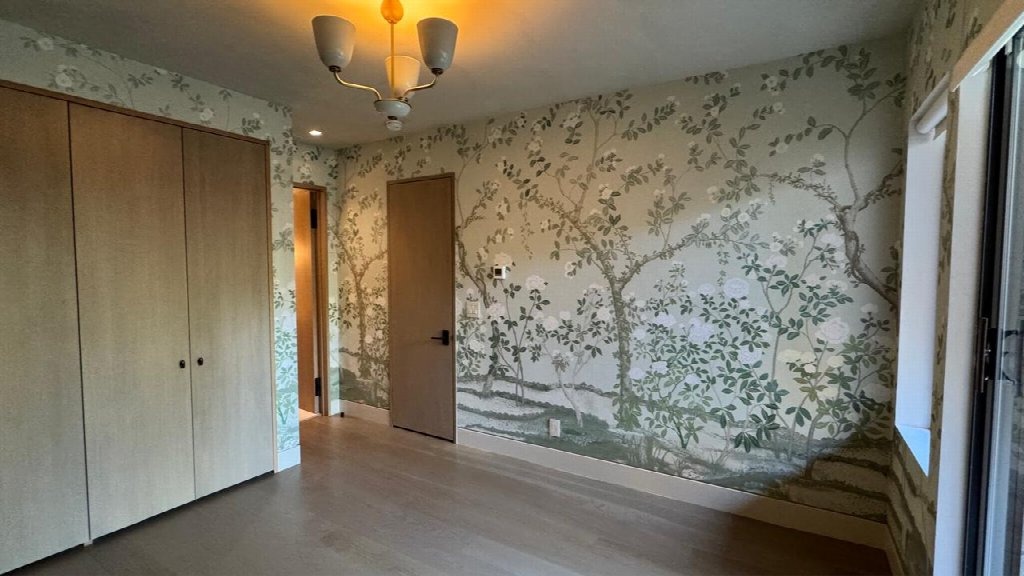
Designer wallcoverings, natural grasscloth, textile wallpapers, architectural murals, limewash, Venetian plaster, and decorative concrete finishes give architects and interior designers extraordinary creative possibilities.
Yet behind every successful installation lies something rarely visible in architectural photography: an extensive process of technical evaluation, preparation, and decision-making.
The difference between an attractive finish and an exceptional, long-lasting installation is often determined before the decorative material ever touches the wall.
Experience Is More Than the Number of Projects Completed
Professional expertise in architectural wall finishing cannot be measured simply by the number of wallpaper rolls installed or square feet of plaster applied.
It develops through years of working with different materials, substrates, architectural conditions, installation methods, and project requirements.
Every manufacturer introduces specific recommendations concerning adhesives, primers, surface preparation, environmental conditions, and installation techniques. Understanding these specifications is essential, but practical experience teaches professionals how those requirements interact with real construction conditions.
An older residential property may have multiple layers of paint, previous repairs, uneven drywall, or unexpected surface contamination. A newly constructed home may appear ready for decoration while still containing unacceptable substrate imperfections, moisture variations, or incompatible sealants.
An experienced installer recognizes that two visually similar walls can require entirely different preparation strategies.
The ability to identify these differences before installation is one of the most valuable skills in the industry.
 Pin
Why Technical Experimentation Matters
Manufacturer instructions provide the starting point for professional installation. However, they cannot describe every combination of materials, substrates, environmental conditions, and architectural details encountered in the field.
This is where practical experimentation becomes valuable.
Experienced wall-finishing specialists continually refine their methods by examining material behavior, testing compatible preparation systems, evaluating adhesives, and observing how different finishes respond to installation conditions.
Some materials expand when exposed to moisture. Others are dimensionally stable but require precise adhesive selection. Natural wallcoverings may reveal variations in color and texture that are inherent to the material rather than installation defects.
Decorative plasters introduce another set of variables, including substrate absorption, application technique, drying conditions, and the interaction between successive layers.
Testing unfamiliar combinations on samples or mockups can reveal problems before they affect an entire room.
Equally important is documenting the results.
Over time, these observations become a practical knowledge base that helps professionals anticipate problems, improve procedures, and make better recommendations to architects and clients.
Technical expertise becomes more valuable when practical experience is documented and shared. Through years of hands-on installations, material testing, and troubleshooting challenging site conditions, professionals develop insights that go beyond manufacturer instructions. This approach is reflected in the wallcovering installation guides and technical insights published by Enjoy The Wall, where practical knowledge, installation challenges, and lessons learned are shared with designers, contractors, and property owners.
True expertise is not simply knowing how to apply a material. It is understanding why a particular method works, when it may fail, and what should be changed when conditions are different.
Wall Preparation: The Foundation of Every Successful Finish
One of the most persistent misconceptions in interior finishing is that premium materials can compensate for imperfect construction.
They cannot.
Expensive wallpaper does not straighten a wall. Decorative plaster does not automatically correct poor substrate preparation. A carefully designed mural cannot eliminate dimensional inaccuracies in the surrounding architecture.
In fact, premium materials often make existing problems more visible.
Directional lighting can emphasize drywall imperfections. Smooth metallic wallcoverings may reveal surface irregularities. Thin decorative finishes can highlight uneven transitions between repaired areas and original substrates.
Before installation, professionals must assess several essential conditions:
- Surface stability, cleanliness, and compatibility with the selected finish.
- Moisture conditions and appropriate environmental controls.
- Flatness, surface smoothness, and the required finish standard.
- Primer and adhesive compatibility with manufacturer specifications.
- The condition of corners, baseboards, trim, and adjoining materials.
- Whether existing coatings or sealants could interfere with adhesion.
The exact preparation requirements depend on the selected product.
A textured wallcovering may visually conceal certain minor imperfections, while a smooth, reflective material can demand a substantially higher level of surface finishing.
Preparation should never be treated as an optional expense simply because the original wall appears acceptable from a distance.
It is part of the installation system itself.
When Architectural Reality Conflicts With Design Expectations
Interior designers understandably focus on visual continuity, clean transitions, pattern alignment, and the overall architectural composition.
Installation specialists must translate those expectations into physical reality.
Problems arise when the geometry of the building does not support the intended result.
Consider a room where the corners are not square, the walls are visibly bowed, or the baseboards have been installed unevenly.
A wallpaper pattern may be perfectly aligned while its relationship to an uneven ceiling or baseboard appears inconsistent. Correcting the visual impression in one area may create a different problem elsewhere.
Another common issue involves flexible silicone sealants applied along trim or wall intersections.
Certain sealants can interfere with the adhesion of wallpaper adhesives and other coatings. Their placement can also complicate precise cutting and the appearance of finished edges.
These are construction-interface issues, not necessarily workmanship failures.
A professional installer must distinguish between defects caused by installation and conditions inherited from previous construction stages.
The correct approach is to identify such limitations early, explain the available options, and document decisions before proceeding.
In some cases, correcting the substrate is the only technically responsible solution.
 Pin
Understanding the Manufacturer, Designer, and Client
Successful projects require balancing three sets of expectations.
Manufacturers establish installation requirements intended to support product performance. Their specifications may address surface preparation, adhesives, moisture limits, handling, and environmental conditions.
Architects and designers establish the visual and functional objectives. They consider color, scale, texture, material relationships, and how the finished surface contributes to the overall composition.
Clients expect the final result to meet their aesthetic expectations, construction schedule, and budget.
These interests generally support one another, but conflicts can occur.
A client may decline recommended wall preparation to reduce costs while still expecting the flawless appearance associated with a perfectly prepared substrate.
A designer may request an uninterrupted visual transition where the existing construction geometry makes that outcome impractical without additional corrective work.
A product may be specified for an environment that requires special attention to humidity, substrate conditions, or manufacturer restrictions.
These situations demand clear professional communication rather than unrealistic promises.
A responsible specialist should explain what can be achieved, what conditions must be corrected, and what limitations will remain if the client chooses not to authorize the recommended preparation.
Written condition reports, photographs, documented recommendations, and approved changes help establish shared expectations and protect everyone involved in the project.
From Material Selection to Installation: A More Integrated Approach
Traditionally, product selection and installation have often been treated as separate stages.
A designer chooses a wallcovering, a supplier provides the material, and an installer becomes involved only after the product arrives.
However, this sequence can overlook essential technical questions.
Does the wallcovering require special substrate preparation? How should its pattern be positioned relative to architectural features? Are visible seams or natural material variations expected? What are the manufacturer’s installation requirements? Is the selected finish suitable for the intended environment?
Addressing these questions during material selection can prevent expensive changes later.
Colorado-based Enjoy The Wall represents an integrated approach to specialty wall finishes, combining material sourcing, professional installation, and practical technical knowledge developed through years of hands-on experience.
The company’s philosophy centers on working with materials its specialists understand and are prepared to install, rather than offering products solely because they are commercially available.
This approach emphasizes product quality, installation feasibility, and informed collaboration with interior designers, architects, builders, and property owners.
It also supports an important principle: the selection of a decorative material should never be separated from an understanding of how that material will perform in the actual project.
Craftsmanship Includes Knowing When to Stop
Professionalism is sometimes demonstrated by refusing to proceed under unsuitable conditions.
An installation crew that identifies inadequate wall preparation, incompatible materials, excessive moisture, or serious construction defects has a responsibility to communicate those findings.
Continuing simply to satisfy a schedule may produce an attractive result for a few photographs while introducing unnecessary risks to long-term performance.
The same principle applies when customers request shortcuts that conflict with technical requirements.
An experienced professional should be capable of explaining the consequences clearly and offering a practical path forward.
Sometimes that means additional surface preparation. Sometimes it requires modifying architectural details, selecting a different material, or changing the installation sequence.
Good craftsmanship is not the ability to make every condition disappear. It is the ability to recognize limitations and make informed decisions before those limitations become failures.
 Pin
The Future of Architectural Wall Finishes Depends on Knowledge
As manufacturers continue developing innovative wallcoverings and decorative finishes, the importance of technical expertise will only increase.
New materials create exciting design opportunities, but they also introduce unfamiliar installation requirements and new interactions between products and substrates.
The most successful results will come from closer collaboration between manufacturers, architects, designers, and installation professionals.
Years of experience, independent technical evaluation, careful adherence to manufacturer specifications, and honest communication with clients remain essential.
Ultimately, an exceptional wall finish is not defined only by its appearance on the day an installation is completed.
It is defined by the quality of the decisions behind it, the craftsmanship involved in its execution, and its ability to retain the intended appearance and performance over time.
Great wall design begins with creative vision. Great wall finishing begins with understanding what makes that vision technically possible.
Get gorgeous projects via email
