

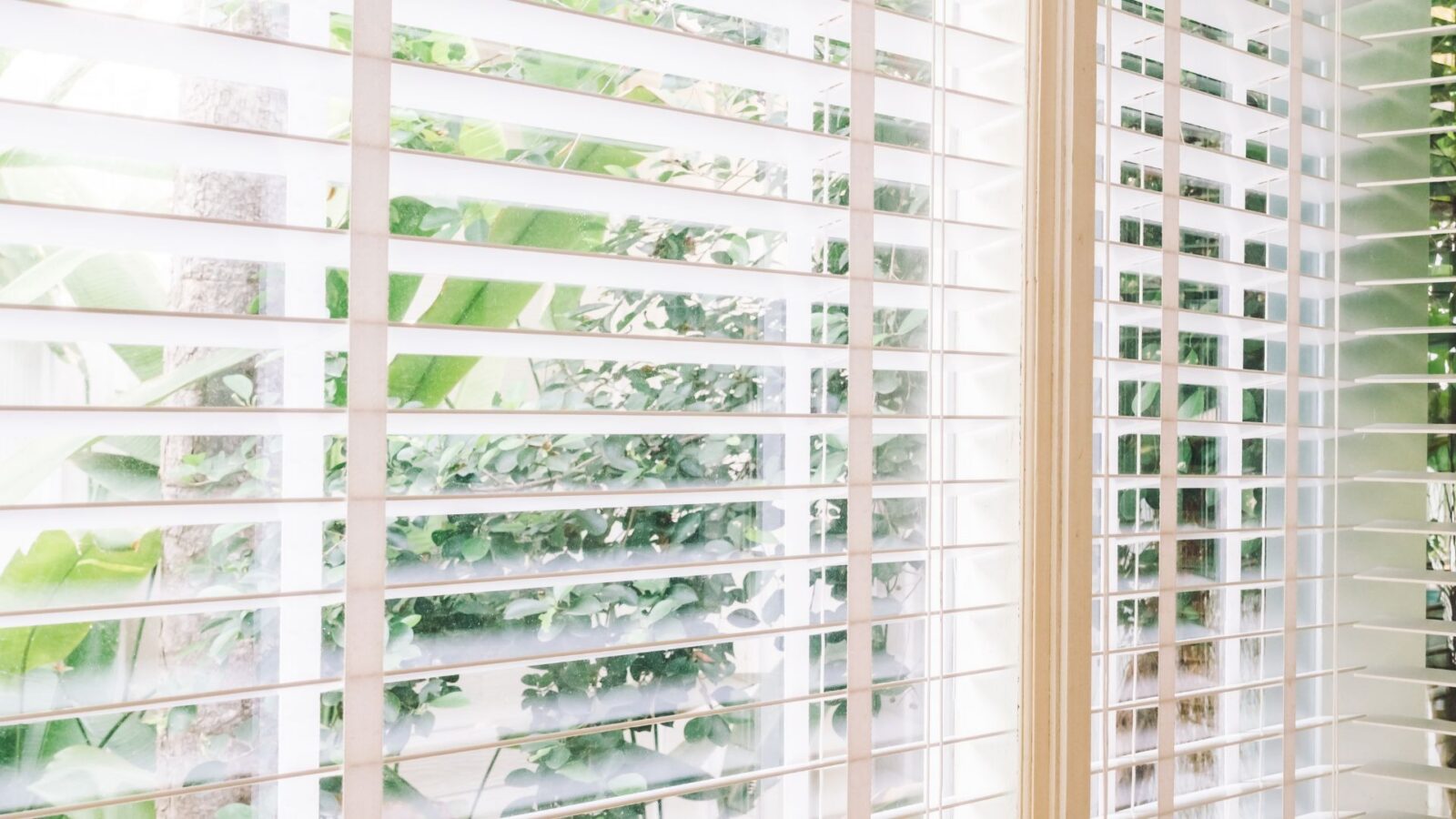
Blinds and shades take a beating over the years. Dust settles into every slat, sunlight fades colors unevenly, and cords wear out from daily use long before most homeowners think to check on them. A little regular care goes a long way toward keeping window treatments looking sharp and functioning properly for years longer than most people expect. Here are nine essential tips to keep them looking their best.
1. Dust Weekly With a Microfiber Cloth
Dust is the most common enemy of blinds and shades, and it builds up faster than most people realize. A quick weekly pass with a microfiber cloth or a vacuum brush attachment keeps buildup from ever becoming a real problem. Waiting too long between dustings lets grime settle deeper into fabric or wood grain, making a simple wipe-down turn into a much bigger cleaning job.
2. Know Your Material Before You Clean It
Not every blind or shade can be cleaned the same way. Wood blinds should generally avoid excess water, since moisture can warp or discolor the slats. Fabric shades often do better with a gentle vacuum than a wet cloth. Aluminum and faux wood tend to be the most forgiving materials, tolerating both dry dusting and occasional damp wiping. Checking a manufacturer’s care instructions before cleaning anything unfamiliar prevents accidental damage.
3. Tilt Slats Closed Before Dusting
A small trick makes a big difference here: closing horizontal blinds most of the way before dusting exposes more surface area on each slat. Dust one side, then tilt the slats the opposite direction and repeat. This simple habit catches far more dust than wiping blinds left half-open.
4. Protect Against Sun Damage
Constant sun exposure fades colors unevenly and can make certain materials, especially wood and faux wood, brittle over time. Rotating or tilting slats throughout the day to redirect direct sunlight helps slow this process, particularly on south- and west-facing windows that see the most sun.
5. Handle Cords Gently
Cords and lift mechanisms wear out faster than the actual blind material in most cases. Yanking cords instead of pulling them smoothly, letting them tangle, or forcing a stuck mechanism all accelerate wear on parts that are relatively simple but not built to be forced. A gentle, consistent touch extends the life of the entire system.
6. Vacuum Fabric Shades Instead of Scrubbing Them
Fabric roman shades and cellular shades hold onto dust in their folds, which makes a vacuum with a soft brush attachment far more effective than scrubbing with a cloth. Scrubbing fabric shades risks pushing dust deeper into the weave or damaging delicate material, while a light vacuum pass lifts debris out cleanly.
7. Spot Clean Stains Immediately
Spills and stains are much easier to manage the moment they happen. A small amount of mild soap and water, applied carefully and blotted rather than rubbed, handles most fabric stains without spreading them further. Letting a stain sit gives it time to set into the material, making it far harder to remove later.
8. Schedule a Deeper Clean Once or Twice a Year
Weekly dusting handles surface-level buildup, but blinds and shades benefit from a more thorough cleaning periodically, especially in households with pets, allergies, or heavy dust. For delicate fabric shades or older wood blinds, professional cleaning services can remove buildup that a quick wipe-down simply can’t reach, without risking damage to the material.
9. Address Small Repairs Before They Become Big Ones
A broken slat, a tangled cord, or a sticking tilt mechanism rarely fixes itself with time. Left alone, small issues tend to get worse and eventually affect how the entire blind or shade functions. Catching these problems early, and having them repaired rather than ignored, extends the useful life of a window treatment considerably compared to waiting until it fails completely.
Final Thoughts
Blinds and shades quietly do their job every day until something goes wrong. A little consistent care, regular dusting, gentle handling, and catching small issues early, keeps them functioning well and looking good for years longer than neglect ever would. None of these habits take much time, but together they make a real difference in how long window treatments actually last.
Get gorgeous projects via email
