

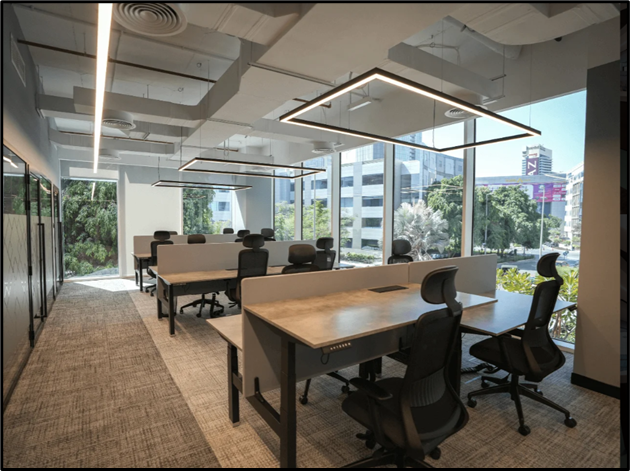
As workplaces continue to evolve, sustainability has become more than a design choice — it’s a responsibility. Modern office spaces are expected to balance aesthetics, comfort, and functionality while reducing their environmental impact. A sustainable office fit-out achieves exactly that, creating workspaces that are efficient, healthy, and future-ready. As architect Norman Foster once said, “As an architect, you design for the present, with an awareness of the past, for a future which is essentially unknown.” Designing sustainably is, in many ways, an act of foresight.
The Rise of Eco-Conscious Workspaces
Over the past decade, organisations have increasingly recognised the importance of sustainability in workplace design. From reducing carbon footprints to improving employee well-being, green fit-outs align with broader corporate social responsibility goals. Companies are no longer viewing sustainability as a trend but as a long-term investment in operational efficiency and brand reputation.
The shift towards sustainable office design has also been influenced by government regulations and green certification systems like LEED and WELL. These frameworks encourage businesses to integrate environmental principles at every stage — from material selection to waste management — ensuring spaces are built to last.
Smart Material Selection: Building Responsibly
One of the core aspects of sustainable office fit-outs lies in material choice. Recycled steel, reclaimed wood, bamboo flooring, and low-VOC (Volatile Organic Compounds) paints are now favoured over traditional materials that harm indoor air quality or contribute to landfill waste.
Sourcing locally also plays a vital role. It reduces transportation emissions and supports regional economies. Many architects and designers in Dubai have embraced this approach, making sustainability a core value in their projects. For instance, a fit out company in Dubai focusing on eco-conscious materials can help businesses achieve a reduced carbon footprint while maintaining modern design appeal.
Energy Efficiency Through Smart Design
Energy-efficient design is one of the most effective ways to achieve sustainability in offices. By combining smart planning with advanced technologies, designers can significantly lower a building’s energy demands.
Lighting and Natural Daylight
Maximising daylight reduces dependency on artificial lighting. Incorporating large windows, skylights, and glass partitions helps spread natural light evenly across the workspace. Pairing this with motion or occupancy sensors ensures lights are used only when needed.
HVAC and Ventilation Systems
Energy-efficient HVAC systems, equipped with smart thermostats and zoning controls, can cut energy consumption by up to 30%. Proper ventilation also ensures consistent indoor comfort without wasteful air conditioning.
Renewable Energy Integration
Solar panels and smart grid systems are becoming standard in modern office buildings, especially in the UAE. Harnessing the region’s abundant sunlight not only reduces utility bills but also demonstrates long-term environmental commitment.
Smart Building Automation
Intelligent building management systems (BMS) monitor real-time energy usage, detect inefficiencies, and adjust operations automatically — making sustainability measurable and scalable.
Indoor Environmental Quality: A Healthier Workplace
Sustainability isn’t just about saving the planet — it’s also about improving human health. The modern workforce spends most of their day indoors, and the quality of air, light, and acoustics directly impacts productivity and well-being.
Using breathable fabrics, natural ventilation systems, and biophilic design elements — such as living walls and indoor greenery — helps maintain a healthier atmosphere. A workspace designed with these elements reduces stress, boosts concentration, and fosters creativity. In essence, sustainable design creates an environment where both people and ideas can thrive.
Waste Reduction and Circular Thinking
A sustainable fit-out doesn’t end with construction — it continues throughout the lifecycle of the space. Designers are now adopting the principles of the circular economy, where every element of a workspace is either reusable, recyclable, or biodegradable.
Furniture made from modular components, flooring that can be re-laid, and fixtures designed for longevity reduce the need for frequent replacements. Even during renovations or relocations, this approach ensures minimal waste generation. A growing number of environmentally aware businesses partner with an office fit out company in Dubai that understands how to apply these principles practically, combining design flair with environmental mindfulness.
The Role of Technology in Sustainable Fit-Outs
Technology is an indispensable ally in achieving sustainability goals. Smart sensors, automated systems, and AI-driven building management tools help monitor energy consumption and optimise performance in real time.
Digital twins — virtual models of physical spaces — allow designers to test various configurations before execution, reducing design errors and material waste. In the long term, such innovations create more resilient buildings capable of adapting to the evolving needs of their occupants without costly refurbishments.
Employee-Centric Design for a Sustainable Culture
The best sustainable offices are those that inspire people to live sustainably too. When employees are surrounded by energy-efficient, biophilic, and thoughtfully designed spaces, they’re more likely to adopt eco-friendly habits themselves.
Encouraging recycling stations, bike storage, and access to natural light supports not only environmental goals but also employee satisfaction and retention. Sustainability becomes part of the company culture — an everyday practice rather than a top-down initiative.
Looking Ahead: A Greener Future for Workspaces
Sustainability in office fit-outs is not a passing phase; it’s the foundation of future-ready workplaces. As businesses strive to reduce operational costs, attract talent, and demonstrate environmental responsibility, the demand for eco-conscious interiors will only grow.
Designing for a greener future requires collaboration between architects, engineers, and sustainability specialists. With forward-thinking strategies, we can create work environments that are not only efficient and inspiring but also kind to the planet. After all, as the renowned environmentalist Wendell Berry once said, “The earth is what we all have in common.” Sustainable design reminds us that even our workspaces are part of that shared responsibility.
Get gorgeous projects via email
