

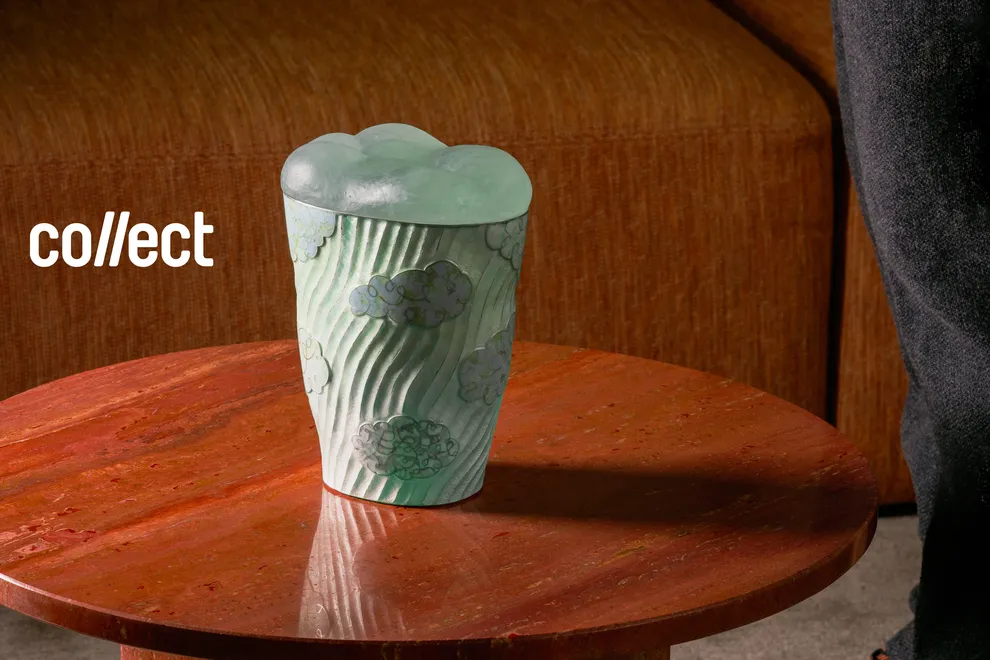
There is a particular energy that settles over London in late February, a creative hum that signals the turning of the year. For those of us who track the pulse of contemporary design, this energy has a definitive epicenter: Somerset House. It is where the boundaries between art, craft, and design blur, and where the material world feels incredibly alive. We are, of course, talking about Collect 2026, the fair that has consistently defined the high watermark for contemporary craft since its inception.
Having watched this event evolve since it was established by the Crafts Council in 2004, I’ve seen it grow from a niche gathering into the premier international marketplace for cutting-edge making. It is not merely an exhibition; it is a barometer for the health and direction of the craft sector. For curators, collectors, and anyone with a stake in the future of design, this is the essential pilgrimage.
Event Overview
- Event Name: Collect 2026
- Date: 26 February – 01 March 2026 (Collectors’ Preview 25 February)
- Location: Somerset House, London
- Official Website: https://www.craftscouncil.org.uk/collect-fair/collect-art-fair
- Social Media: https://www.instagram.com/collectartfair
- Visit Info: https://www.craftscouncil.org.uk/collect-fair/plan-your-visit
- Contact Email: [email protected]
What makes Collect 2026 such a vital date in the calendar is its rigorous curation. The fair is not a free-for-all; it is a carefully selected showcase. An advisory panel hand-picks the most forward-thinking galleries and organizations, ensuring that every object on the floor represents the pinnacle of current practice. This year, the fair will host the work of 300 living artists, with a staggering 80% of those works having been created within the last five years. This focus on the ‘now’ ensures that visitors are not just seeing beautiful objects, but are witnessing the very latest dialogues in materials and form.
A Deep Dive into Materiality
The sheer breadth of disciplines at Collect is something that continues to impress me. It challenges the traditional, often dusty, perceptions of what ‘craft’ can be. While you will find the mastery of traditional forms—ceramics, glass, woodwork, and precious metalwork—the fair is equally committed to showcasing the radical and the experimental. The 2026 edition will undoubtedly feature a robust representation of non-traditional materials and wearable art, pushing the conversation into new territories.
Spread across the three wings of Somerset House, the neoclassical architecture provides a stunning counterpoint to the contemporary work on display. There is a dialogue here between the permanence of the historic building and the often ephemeral, innovative nature of the pieces exhibited. It is a setting that commands respect for the objects, allowing the intricacies of the making to take center stage.
Collect Open: Where Craft Becomes Immersive
While the gallery booths are the heart of the commercial fair, my personal highlight is always the Collect Open platform. This is where the fair breaks out of the vitrine. Collect Open provides a space for pioneering craft installations, often by individual artists or collectives who are pushing the scale and ambition of their work. These installations transform the fair from a marketplace into an immersive environment. They invite us to walk around, through, and sometimes into the work, offering a tactile and spatial understanding of craft that a gallery booth simply cannot provide. It is this platform that often sparks the most exciting debates about the future of the discipline.
The New for 2026: Curated Access
One of the most significant updates for the 2026 fair is the introduction of the Collect Private Tour Package. Recognizing that the sheer volume of high-quality work can be overwhelming, this new offering provides a structured way to navigate the fair. These tours, led by knowledgeable guides, offer deep insights into contemporary craft, market trends, and the narratives behind the making. For those looking to build a collection or simply gain a more profound understanding of the work, this is an invaluable resource. It bridges the gap between casual viewing and serious collecting, demystifying the market and connecting visitors directly with the stories of the artists and gallery owners.
For those planning their visit, the logistics are straightforward. The fair runs from the 27th of February to the 1st of March, with a Preview day on the 26th. The main entry point is from the Strand, and it is worth noting that due to the fragility of the works, large bags and backpacks are not permitted (though a cloakroom is available for a small fee). It is a small price to pay for the safety of these incredible pieces.
Collect 2026 is more than an art fair; it is a celebration of human skill, imagination, and the enduring power of the handmade in a digital age. It is a place to see the future of design being forged, material by material, by the most talented makers of our time.
Frequently Asked Questions
What is the main focus of Collect 2026?
Collect is the leading international art fair dedicated specifically to contemporary craft and design. It focuses on showcasing work by living artists, with a strong emphasis on pieces made in the last five years, spanning disciplines from ceramics and glass to metalwork and non-traditional materials.
Is there a difference between the preview days and the general admission days?
Yes. Wednesday, 25 February, is the Collectors’ Preview and is strictly by invitation only. Thursday, 26 February, is the Preview day, open to anyone with a Preview ticket. The main general admission days are Friday 27 February through Sunday 1 March.
Are there any special offers available for accommodation?
Yes, the event organizers have partnered with two hotels for the 2026 fair. Mandarin Oriental Mayfair is offering a preferred room rate using the code MayfairDesign26, and ME London is offering a preferential rate for superior rooms when you contact their reservations team and quote COLLECTART.
Get gorgeous projects via email
