

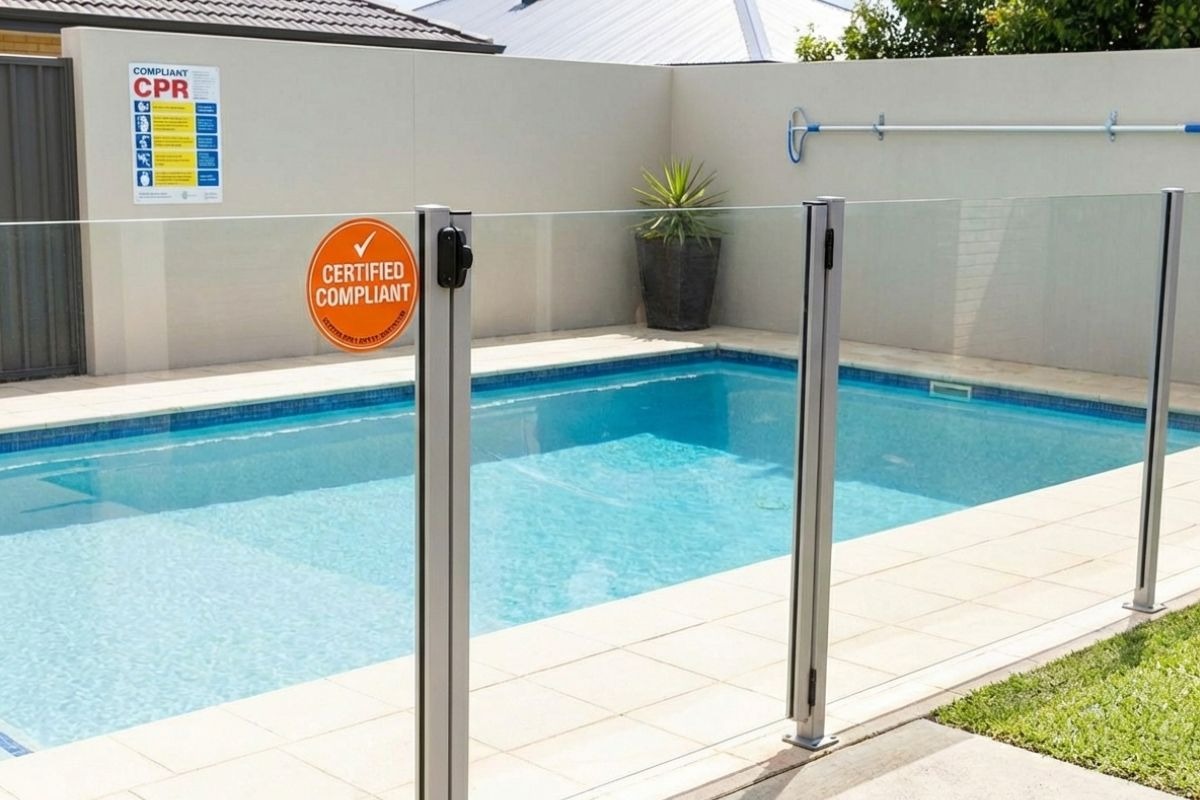
Having a pool is typically thought of as an upgrade to your lifestyle, providing relaxation and exercise and a generously sized space for entertaining. Nevertheless, pools do come with legal and moral obligations. As an owner of a pool, you are obligated to keep your pool compliant with safety regulations, not only to mitigate penalties but also to save lives. Many people consider compliance as just a legal obligation, when in reality, when you understand the rationale of pool safety, the concept of compliance becomes so much more than just ticking a box.
In Australia, pool safety compliance is taken extremely seriously because of the very regrettable number of swimming pool drowning deaths each year, particularly for young children. By keeping a pool compliant through timely pool barrier inspections, homeowners are doing their part by lowering potential risks and bettering the environment for families and visitors.
This article will help you understand why pool safety is important, especially in terms of risk management compliance, for the purpose of putting you in a position to avoid potentially expensive compliance processes while also keeping your pool safe for everyone who uses it.
Why Is Pool Safety Important?
The question of why pool safety is important goes beyond legislation. It is about preventing risks that can occur every second. Drowning remains one of the leading causes of accidental death in children under five in Australia, and many of these incidents happen in residential pools.
Here are some key reasons pool safety matters:
- Life protection: Safety barriers prevent unsupervised access to the pool, significantly reducing drowning risks.
- Stress-free: Parents and guardians can relax, knowing the pool is not easily accessible to children.
- Legal compliance: Australian states and territories have strict pool safety regulations that must be met.
- Financial security: Non-compliance can lead to fines and, in the event of an accident, potential liability claims.
Compliance is not simply avoiding punishment; it is about creating a safe environment where the pool can be used safely.
Pool Safety Laws in Australia
Each Australian state and territory has laws for pool safety, and while some of the details differ in each jurisdiction, the key elements are the same: that pools have fencing, access to the pool can be controlled, and barriers must meet the minimum safety standard.
For example:
- In Victoria, all residential pools and spas must be registered with local councils, and owners must obtain a compliance certificate every four years.
These regulations highlight the seriousness of compliance, making pool safety barrier inspections a necessity rather than a choice.
Pool Safety Barrier Inspections
A pool barrier is the first line of defence against accidental drownings. Regular pool safety barrier inspections are essential to ensure these barriers remain effective. Over time, weather conditions, property renovations, or even natural wear and tear can affect the strength and integrity of a pool barrier.
During an inspection, the following aspects are usually checked:
- Fence height and condition: The barrier must meet the minimum height requirements and be free from damage.
- Gate functionality: Gates should be self-closing and self-latching, opening outwards from the pool area.
- No climbable objects nearby: Items such as furniture, pots, or trees near the barrier must not provide access for children.
- Gaps and openings: Barriers should not have spaces large enough for a small child to pass through.
- Latch placement: Latches must be at the correct height and securely fitted.
By conducting regular pool safety barrier inspections, homeowners can identify issues early and fix them before they result in fines or dangerous situations.
Role of a Pool Inspector
A licensed pool inspector plays a crucial role in maintaining compliance. While homeowners can spot obvious issues, inspectors have the training and expertise to identify less visible problems.
A professional pool inspector will:
- Conduct a thorough assessment of the pool area.
- Check barriers, gates, and latches against legal standards.
- Provide a detailed report highlighting compliance status.
- Offer recommendations for repairs or upgrades.
- Issue compliance certificates required for property transactions or council requirements.
Engaging a qualified pool inspector ensures accuracy, saves time, and provides legal protection. Their certification and guidance give homeowners confidence that their pool meets all safety standards.
Penalties for Non-Compliance
One of the biggest motivators for homeowners to remain compliant is the risk of penalties. Councils and regulatory bodies have the authority to issue fines if a pool does not meet safety requirements.
Common consequences of non-compliance include:
- Immediate fines: Depending on the state, non-compliant pool owners can face fines ranging from a few hundred to several thousand dollars.
- Legal notices: Councils may issue notices requiring urgent repairs or upgrades.
- Increased liability: If an accident occurs in a non-compliant pool, the owner may face legal action or insurance complications.
- Delays in property sales: A missing compliance certificate can delay or even derail the sale or lease of a property.
These penalties reinforce the importance of staying proactive with inspections and maintenance.
Benefits of Staying Compliant
While avoiding penalties is a strong incentive, the benefits of compliance go much further. They include:
- Enhanced property value: A compliant pool adds to the appeal of a home, especially for buyers with children.
- Legal smooth work: Compliance certificates make renting or selling a smoother and stress-free process.
- Reduced maintenance stress: Regular inspections catch small problems before they turn into major repairs.
- Family safety: Most importantly, compliance ensures that children and visitors are protected at all times.
Practical Tips for Pool Owners
To make compliance easier, pool owners can follow some practical steps:
- Schedule routine pool safety barrier inspections every few years.
- Check gates and latches regularly to ensure they self-close.
- Keep climbable items, like outdoor furniture, away from barriers.
- Trim trees and shrubs that may pose a risk to the security of the barrier.
- Hire a professional pool inspector to provide expert advice and certification of compliance.
Takeaway
Pool safety compliance is not just about meeting regulations; it is about saving lives and creating a secure environment. Understanding why pool safety is important highlights the moral and legal duty of every pool owner. By arranging regular pool safety barrier inspections and consulting a qualified pool inspector, homeowners can avoid costly penalties, maintain compliance, and enjoy their pools with complete confidence.
Get gorgeous projects via email
