

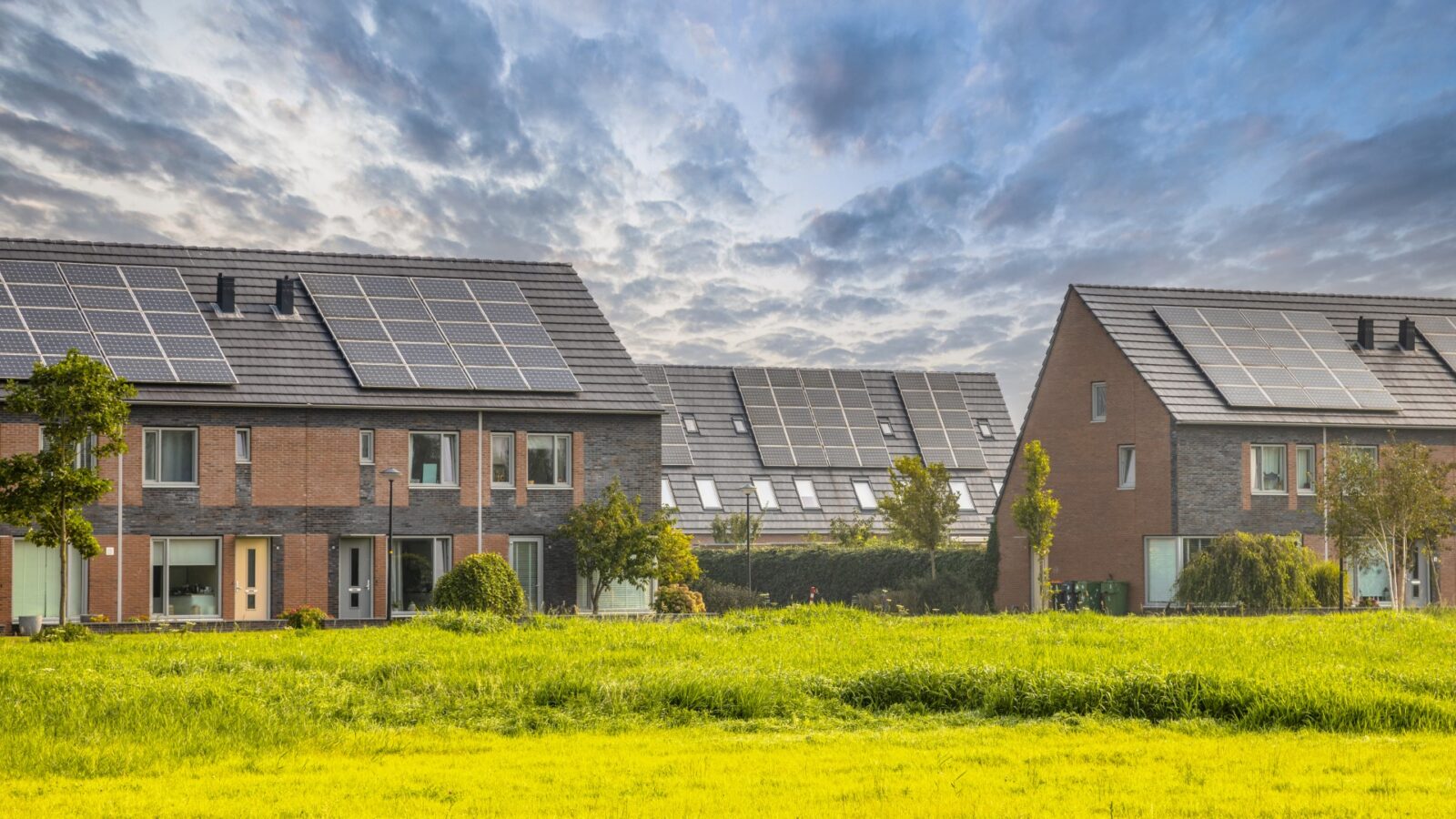
Transforming your home into an eco-friendly haven has numerous benefits. For starters, it helps to conserve energy and reduce utility bills. Energy efficient upgrades such as installing solar panels or using energy saving appliances can significantly lower your energy consumption. This not only saves you money but also reduces the demand for fossil fuels, thereby decreasing greenhouse gas emissions.
Living in an eco-friendly home promotes better air quality, which contributes to better overall health, especially for those with respiratory conditions such as asthma or allergies.
So, let’s look at some ways to make your home eco-friendlier.
1. Energy Efficient Windows
One of the best investments you can make for your home is to upgrade to high quality windows from a renowned manufacturer like Golden Windows. Not only are their windows stylish, durable, and modern, but they’re also energy efficient. With energy efficient windows you’ll maintain a more comfortable temperature indoors and reduce your energy consumption and bills.
2. Other Energy Efficient Upgrades
Here are some suggestions for energy efficient upgrades:
Install Solar Panels
Harnessing solar energy is a sustainable way to generate electricity for your home. Solar panels can be installed on roofs or in open spaces to capture sunlight and convert it into usable energy.
Upgrade To Energy Efficient Appliances
Replace old, energy guzzling appliances with energy efficient models. Look for appliances with the ENERGY STAR label, as they meet strict energy efficiency standards.
Improve Insulation
Proper insulation helps to regulate indoor temperature, reducing the need for excessive heating or cooling. Insulate your walls, attic, and windows to minimize heat transfer and improve energy efficiency.
3. Waste Management and Recycling
Proper waste management and recycling are integral to an eco-friendly home. By reducing waste and recycling materials, we can minimize our impact on landfills and conserve resources.
Here are some waste management and recycling tips:
- Reduce single-use items: Go for reusable alternatives instead of single-use items like plastic bags, water bottles, and coffee cups. Invest in reusable shopping bags, stainless steel water bottles, and travel mugs to reduce waste.
- Compost organic waste: Set up a composting system in your backyard to transform food scraps and yard waste into nutrient-rich soil. Composting reduces the amount of organic waste that ends up in landfills while providing natural fertilizer for your garden.
- Recycle properly: Educate yourself on what can and cannot be recycled in your area. Sort recyclable materials and dispose of them in the appropriate recycling bins. Ensure that items are clean and free from contaminants to avoid contamination of the recycling stream.
4. Natural and Organic Elements
Creating an eco-friendly home goes beyond just the structural aspects; it also involves incorporating natural and organic elements into your home decor.
Here are some ideas for incorporating natural and organic elements:
- Indoor plants: Bring nature indoors by incorporating houseplants into your decor. Plants not only add beauty but also improve indoor air quality by filtering pollutants and increasing oxygen levels.
- Natural materials: Choose furniture and decor made from natural materials such as wood, rattan, or cork. Avoid products made from synthetic materials that release harmful chemicals into the air.
- Natural light: Maximize the use of natural light by keeping windows unobstructed and using light-colored curtains or blinds. Natural light not only reduces the need for artificial lighting but also boosts mood and productivity.
Embracing the task of turning your home into an eco-conscious sanctuary is a commendable pursuit that serves both the environment and personal well-being. Through the steps outlined above, you can fashion a home that’s not only aesthetically pleasing but also environmentally mindful. Even the smallest adjustments within our homes can yield substantial positive effects globally.
So, let’s shoulder the responsibility of converting our living spaces into eco-friendly havens, fostering a sustainable future for generations to come.
Get gorgeous projects via email
