

Discover the 7 must-have plumbing tools for DIY fixes! From wrenches to drain snakes, find them all at your local Utility Pipe Supply shop and save big.

Transform your space with professional painting! Affordable, fast, and mood-lifting. From warm neutrals to bold accent walls, color revives any home. #PaintMagic

Designing homes in wildfire-prone WUI zones requires balancing vision with strict fire codes. Use defensible space, ember-resistant vents, Class A materials, and tempered glass to comply without sacrificing creativity.



Explore how Dubai Islands is becoming a hub for luxury real estate with groundbreaking developments by leading architects and developers.
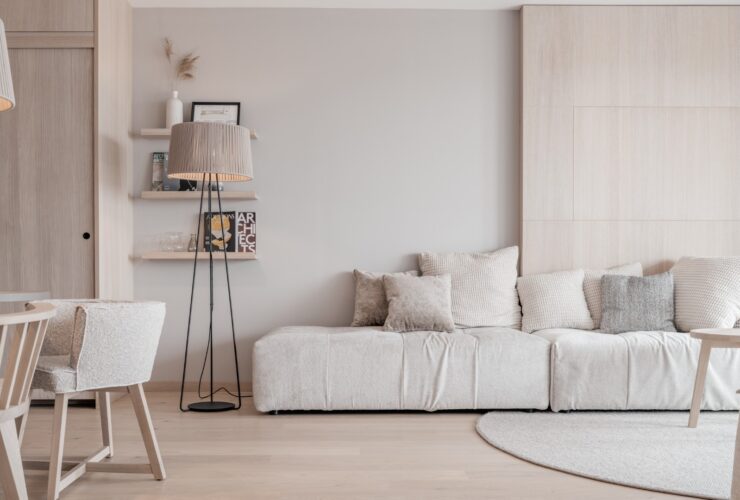
In the heart of Vienna, a creative force is reshaping the interior architecture landscape. Mezza—Maiso, founded by Verena Wohlkönig and Jürgen Hamberger, has emerged as a leader in luxury interior architecture, known for their ability to harmonize aesthetics, functionality, and sustainability.
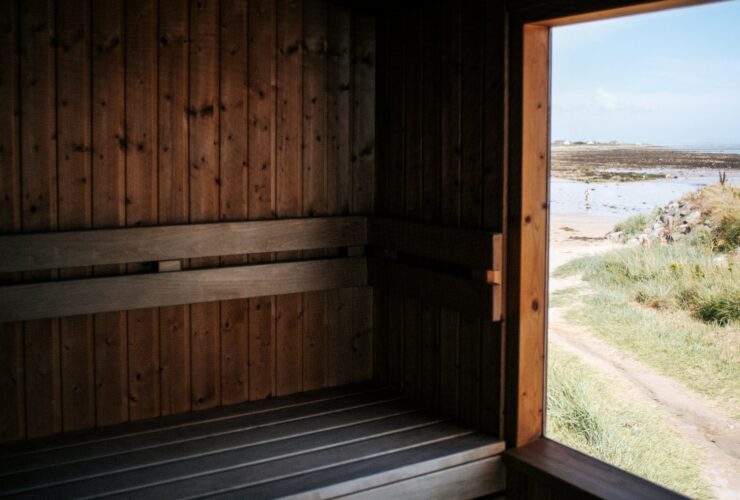
Sustainable landscaping creates eco-friendly gardens by using native plants, reducing lawns, mulching, composting, and harvesting rainwater. It emphasizes sustainable materials, pollinator-friendly designs, and mindful lighting to conserve resources and support biodiversity. These practices lead to low-maintenance, beautiful outdoor spaces that benefit both homeowners and the environment.
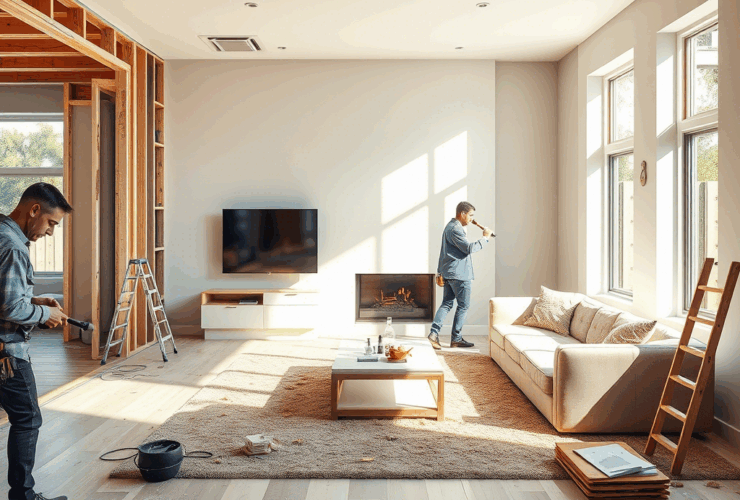
Home renovation projects can be exciting opportunities to refresh your living space, add value to your home, and express your personal style. However, beneath the promise of a dream transformation, there can be hidden dangers that many homeowners overlook. From structural complications to unexpected costs, the process is fraught with risks that can lead to setbacks or even safety hazards. Even a seemingly minor oversight can snowball into a major issue if not handled with care and professional guidance. One common area of concern involves the various utilities and services that run beneath your home’s exterior. Before beginning any major work, it is crucial to conduct a comprehensive survey of your property. Failing to recognize the location of critical infrastructures can result in costly damages. For example, a simple mistake such as not coordinating with specialists for underground service locating can lead to severed cables or pipes, causing extensive and expensive repairs. Ensuring you have an accurate understanding of what lies hidden beneath the surface is the first step in mitigating renovation risks. Unexpected challenges can arise in many forms, and renovations often reveal more than just cosmetic issues. Once work begins, homeowners may discover underlying structural damage, outdated wiring, or even pest infestations that were concealed behind walls. These issues not only delay your project but also add to the budget significantly. It is essential to conduct thorough pre-renovation inspections and consult with professionals who can identify potential problems before you commit to the full scope of work. A proactive approach saves time, money, and a lot of frustration down the line. Financial Pitfalls and Budget Overruns Budget management is a critical component of any home renovation. Even the most meticulously planned projects can spiral out of control if unforeseen issues emerge. Many homeowners start with a set budget based solely on initial estimates, only to face unexpected expenses when structural problems or compliance issues come to light. Building in a contingency fund—usually 10-20% of the total budget—is a smart strategy to accommodate surprises without halting the renovation process. Detailed planning and regular financial reviews during the project can help keep your spending in check. Legal and Safety Concerns Home renovations are not just about aesthetics and function; they also involve strict regulatory compliance. Local building codes, safety regulations, and permit requirements are in place to protect both residents and the property. Skipping permits or failing to adhere to legal guidelines can result in fines, forced demolitions, or unsafe living conditions. Before starting your renovation, consult with local authorities or a professional contractor to ensure that your project complies with all necessary regulations. This extra step, while time-consuming, prevents legal headaches and helps maintain the structural integrity of your home. Practical Tips to Minimize Renovation Risks Successful home renovations require careful planning and a willingness to tackle unexpected challenges. Here are some actionable tips to help minimize risks: ● Hire Qualified Professionals: Whether you need a structural engineer, electrician, or general contractor, investing in qualified professionals can prevent costly mistakes. Verify credentials and check references before signing any contracts. ● Detailed Project Planning: Create a comprehensive project plan that outlines each phase of the renovation, including timelines and budget estimates. Regularly update your plan as the project evolves. ● Obtain Multiple Quotes: Don’t settle for the first estimate you receive. Shop around and compare quotes from different contractors to ensure you’re getting a fair price for quality work. ● Insurance and Warranties: Confirm that your contractor carries the appropriate insurance, and consider purchasing a home warranty to cover potential issues after the renovation is complete. ● Communication: Maintain clear and consistent communication with your project team. Regular meetings and updates can help address any issues promptly and keep the project on track. Renovating your home is a significant undertaking that demands attention to detail and careful planning. By acknowledging the potential risks—whether they be structural, financial, or legal—and taking proactive steps to mitigate them, you can steer your project towards success. A well-executed renovation not only enhances your living space but also adds lasting value to your property, ensuring that your investment stands the test of time while delivering the comfort and style you envisioned.
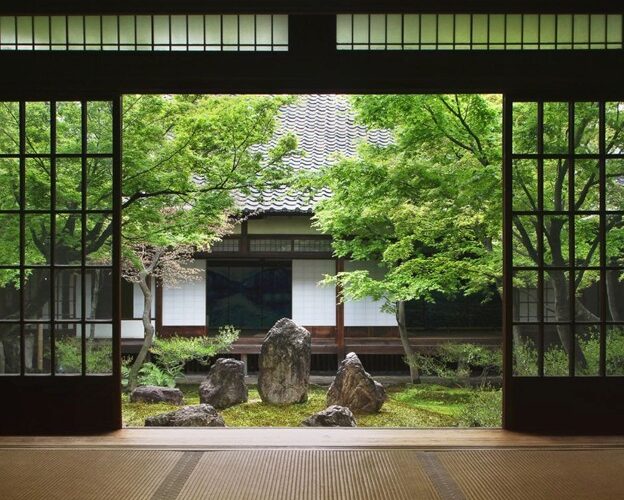
Three Top Reasons Why a Garden Room is an Ideal Addition to Your Home No matter where you live, in the warmer months, thoughts might turn to gardening, homeowners wonder how they can make outdoor spaces more functional. A simple method to expand your living area while exploring how to separate the inside from the outside is installing a garden room. A garden room is a structure in your yard that is apart from your main living space. Unlike a shed, it is a building constructed of the finest natural elements, enabling year-round multi-function use. For decades, garden rooms have been a popular option for homeowners who want to make the most of their outdoor area. The addition of a garden room might raise the value of the home. In this article, we will take a close look at the three reasons why a garden room is an ideal addition to your home. Why Have a Garden Room? A garden room is a separate, enclosed space within your garden or backyard, typically built as an extension of your living area. Unlike a simple shed or gazebo, a garden room is an insulated, fully functional structure designed for year-round use. These versatile spaces can serve as home offices, guest accommodations, gyms, art studios, or relaxation retreats. One of the biggest advantages of having a garden room is extra living space without the hassle of a full home extension. It allows homeowners to create a peaceful, private escape without disrupting the main house. Garden rooms also enhance property value, making homes more attractive to buyers. In today’s world of remote work and flexible lifestyles, garden rooms provide a dedicated, quiet workspace away from household distractions. They also offer an ideal environment for hobbies like yoga, painting, or reading. With modern designs featuring floor-to-ceiling windows, bi-fold doors, and eco-friendly materials, garden rooms can seamlessly blend into the natural surroundings, creating a tranquil and stylish retreat. Whether for productivity, relaxation, or entertaining, a garden room is a practical and aesthetically pleasing addition that enhances your home and lifestyle. 1. Office Space The idea of having a garden office is appealing. Office space in your garden can provide freedom from commuting while being far enough from distractions like dishwasher emptying and fridge raiding. The structure you choose should be connected, insulated, heated, and have access to WiFi. If you have a budget you are working with and the cost of a space designed by an architect is too costly, consider a more traditional "lean to." This type of structure is usually made of glass and resembles conservatories, and doesn't often require planning approval, though you should check first with local authorities. It can be the perfect thing to attract prospective buyers if the space is furnished and set out in a way that complements your residential living quarters. 2. Entertainment Area A more conservatory-type extension provides a classy addition that provides a peaceful, inviting atmosphere with the space to host large events. Creating a garden room bar area might be top on your list if you enjoy hosting friends and family. Beata Mandell of Luxury Los Angeles Real Estate says, “Think of a great outdoor table and carefully selected table bar stools that perfectly complement the space. With adaptable designs, you can take the area from chic to boho or the other way around by simply rearranging the furniture and table accessories. You can set up a space for people to relax, a bar for mixing drinks, and an outdoor kitchen to offer convenience for food preppers to serve guests. You can even organize movie evenings by adding bean bag chairs and a projector to your garden room.” 3. Hobby Room A popular use for a garden room is a home gym. You can work out without having to leave your home. Rubber mats on the floor, with the addition of weights and cardio machines, makes it simple to transform a garden room into a designated gym space. A home spa or games area are great additional uses for a garden room. A garden room can be easily converted for any activity or pastime, affording you easy access to a dedicated space a short distance from your house. Conclusion Garden rooms on your property are always a fashionable choice. These designated spaces can provide you with a retreat that is easily customizable to suit your lifestyle and make it your own, whether you are looking to add more living space for recreational activities or privacy for your at-home business. Work closely with a real estate professional to help guide you in making a great garden room addition to your property to add value to it.