
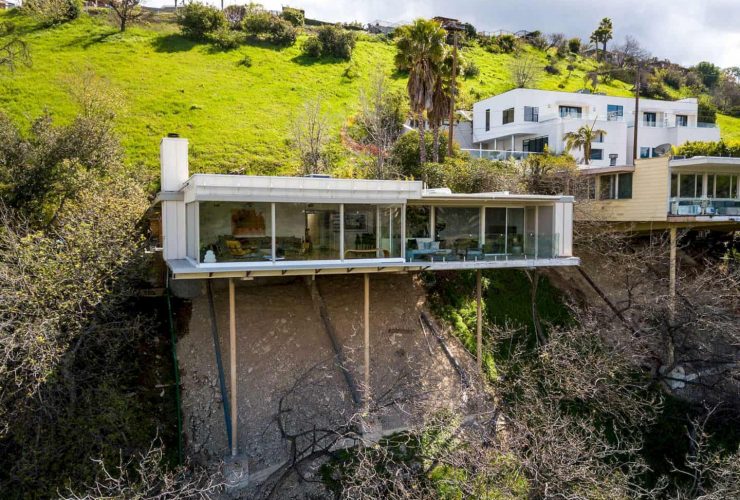
With an update over the years, now 3737 Oakfield Drive is completed with Sonos and smart home Control 4 technology. The 1800 square feet of open living space offers a comfortable room to relax. There are also two bedrooms and two updated bathrooms with gorgeous Zen gardens too. Once entering the living room, a warm greeting comes with stunning views and natural light.
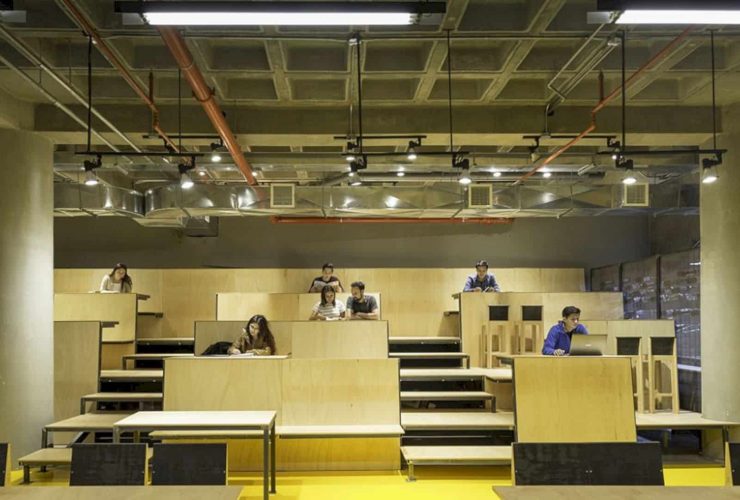
Food distribution points become an important part of the premises use, especially the main attention for the bar. Besides distributing more than 400 executive lunches per day, the bar is also changed as a place to sell fast food at night. Some strategies are also developed according to the LEED certification and the study philosophy.
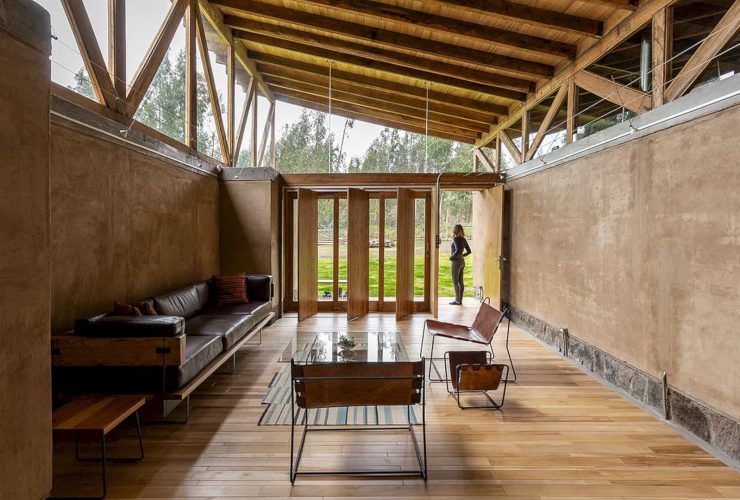
Some wooden beams are used with support from the house walls, creating a framework every 70 centimeters. The social area of the house opens to the land through the platforms. In this area, the vestibule and a back part deck of the house can be created with the hearth too. Whereas, the rest area consists of two space that used as a bedroom: a communal bed space, a double room space.
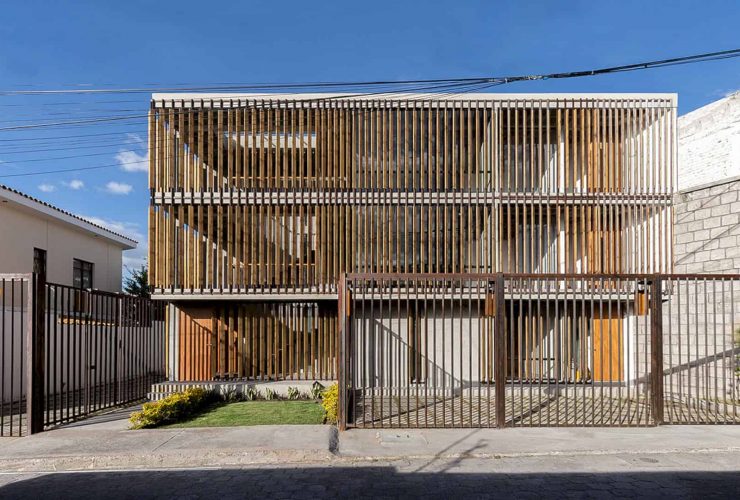
There are three apartments distributed on three floors. The exterior has some complex angles that become light patio for organizing each plant around the house spatially. The living analysis is considered as a basic point that extends to the kitchen. This kitchen is a department articulating point located between social and rest area.
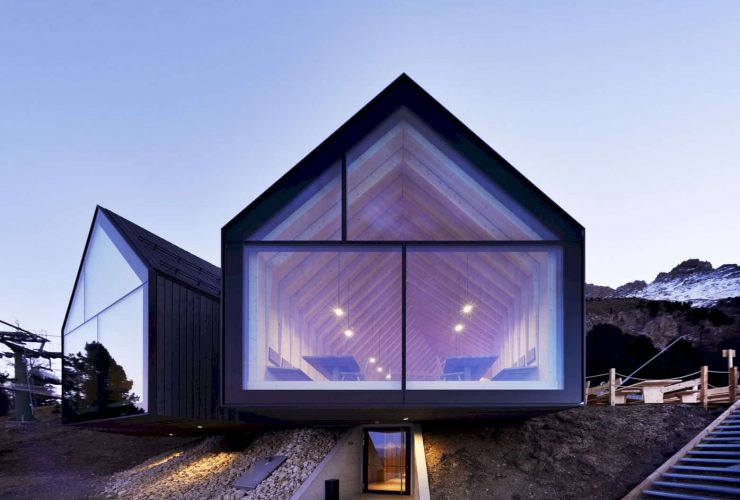
The main part of Berghütte Oberholz consists of some wood portals located in the untreated spruce, supporting the spatial geometry which is very complex. The facade of the exterior is designed with gray larch wood, cladding as a building reference to the constructions of the local ancient stable. From the distance, the exterior of this building also looks interesting especially with the use of gray wood for the roof.
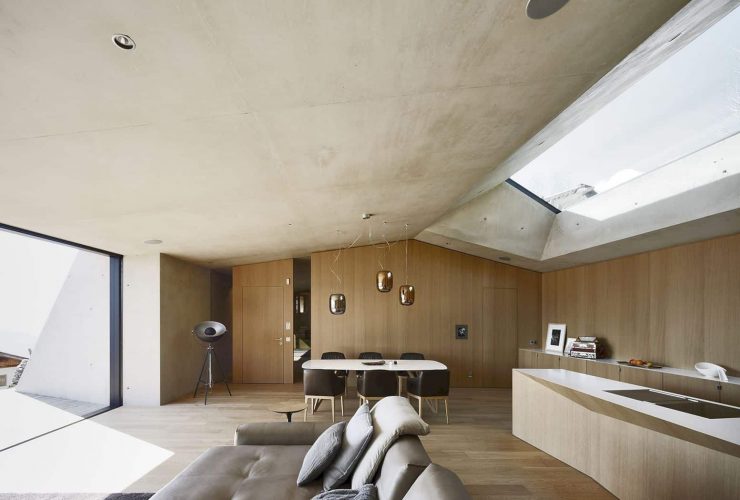
The architect uses few materials to reach the goal project of this house. Using folded concrete envelope, the main volume can be defined geometrically. The dividing walls are designed with integrated furniture made from wood. There are also stone walls, built from some pieces excavated stone around the house area.
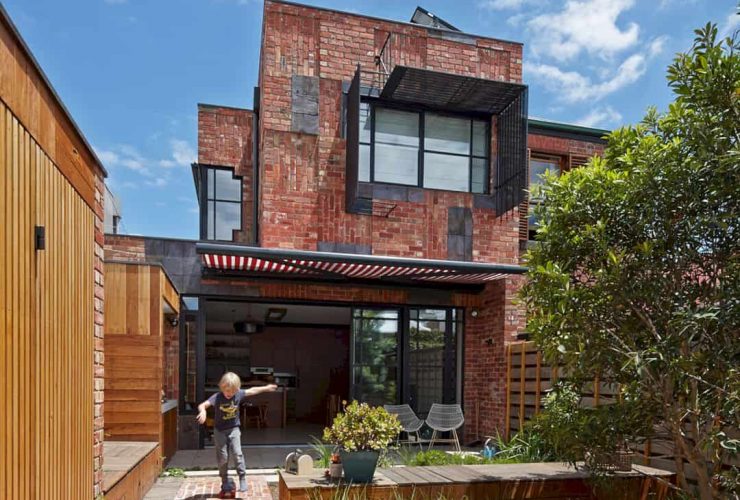
The old stair in Cubo House has been removed and some of the salvaged elements also have been fashioned into a beautiful chandelier. A new lof bed is made to provide a fun bedtime for the kids. The new staircase can connect all levels and create a voluminous entry foyer. It becomes a new heart of the house that can bring the new (deliberately modern) rear and the restored old front parts together.
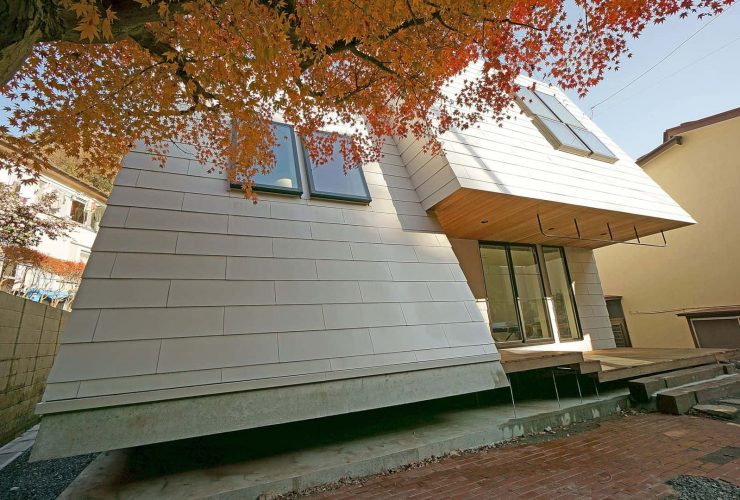
LL House has the same sectional shape that can be found on the west and east parts. The vertical shift of this house can provide a rich spatial sequence and natural sunlight too. The main room is designed by using the east part which is higher than the west part. This room can have a good benefit to get a better light and mountain views.
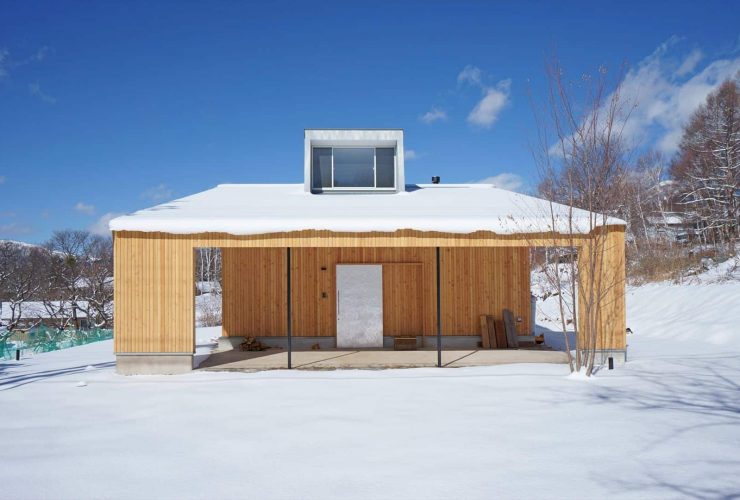
The new environment around this house becomes very interesting because of the Pettanko House design. This house can be a model case for local consumption from the local production, remembering how to use the source wisely. The customization of this housework with the terrain height differences, wind, light, snowfall, and orientation are the important parts to create that new environment.
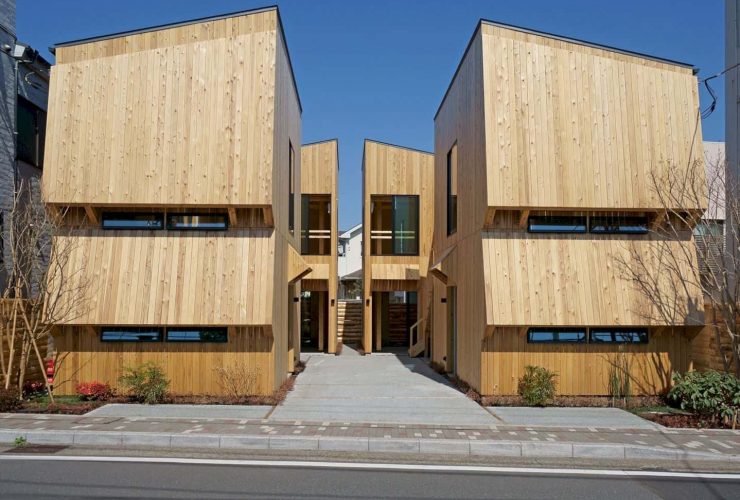
The architect uses local production for local consumption as a building theme to give a good understanding of how important the energy reduction is. It is also about maintenance of the forest, so the architect enters a mountain forest with a builder, a forester, and a client in Hakone, starting a careful selection to harvest some trees. Those trees will be the beams and columns of Sasameza.