

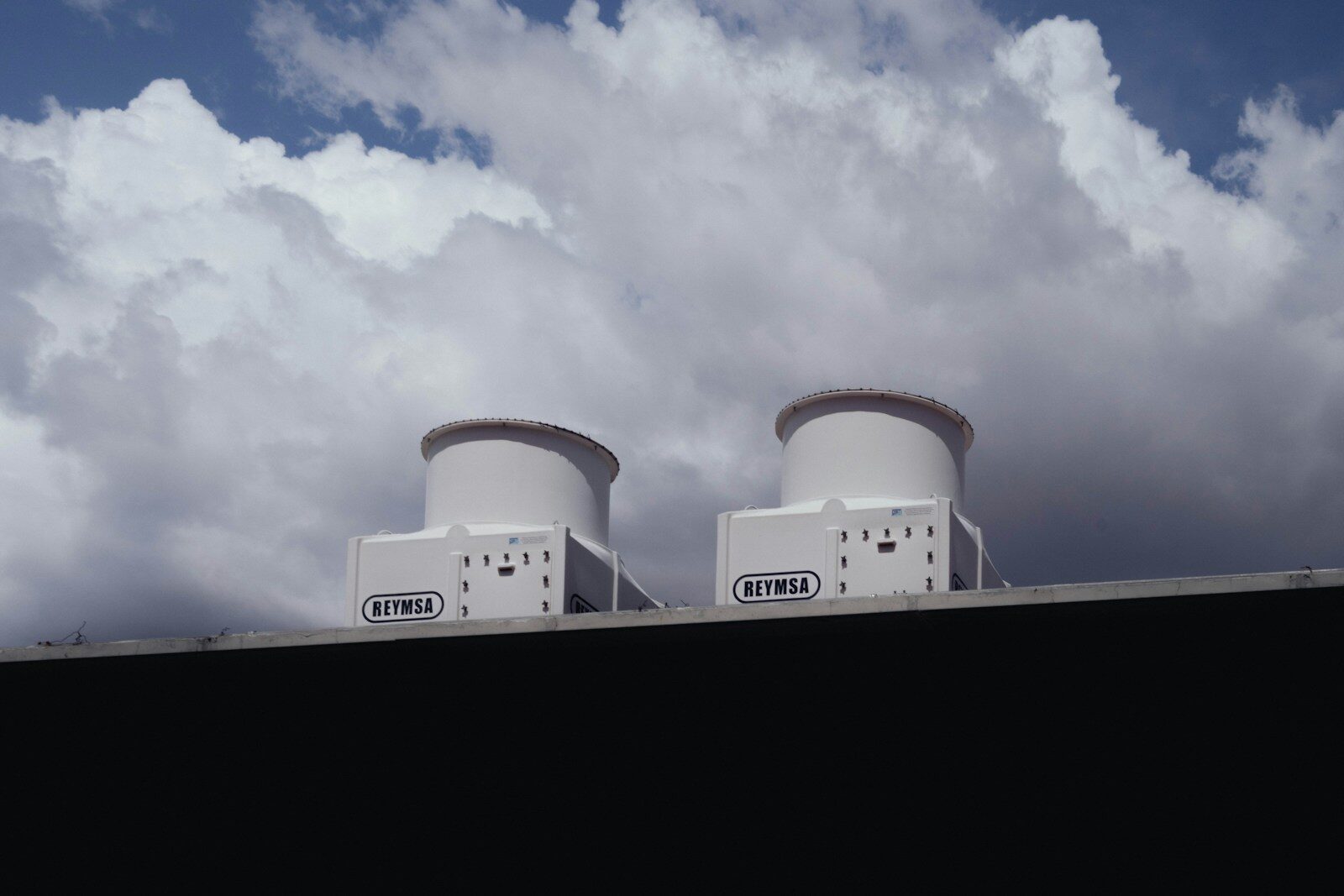
Air systems are essential for ventilation, temperature control, production and comfort of industrial facilities. With minimal upkeep, minor issues can become significant problems and hazardous conditions. So, schedule regular equipment maintenance tasks to ensure a safer workplace. The following are reasons why industrial facilities need regular air system maintenance:
1. Keeping Air Clean and Moving
Dust, moisture, particles and other pollutants are gathered by air systems during operation. Scheduled industrial duct cleaning can be used to clear soiled debris from inside the duct tubing and allow unrestricted airflow in the duct system. Clean components also can ease up the process of maintenance staff identifying leaks, damage, atypical buildup and other issues that might occur before they become more difficult to deal with.
2. Protecting Equipment from Unnecessary Wear
Fans, filters, coils, dampers, compressors and other parts are meant to function together on a daily basis. If filters clog or air-moving parts get dirt on them, the system may need to do more to obtain the desired amount of air movement. Make sure that equipment is routinely inspected and promptly serviced to decrease unnecessary strain.
3. Supporting Energy Efficiency
Unwanted energy can be lost from poorly managed air systems and not be immediately apparent. Due to limited airflow, fans and other equipment may run longer and harder for periods of time, and dirty coils can limit heat transfer and impact temperature control. A well-designed maintenance plan provides maintenance personnel with opportunities to clean, adjust, lubricate and replace worn parts as a regular operating expense, rather than an emergency.
4. Reducing Unplanned Downtime
Sudden failure of the air system can interrupt production, be detrimental to storage or be uncomfortable to work in. With preventive maintenance, teams can detect sounds like unusual noises, less air movement, temperature fluctuations and vibration. It can also provide an opportunity for repairs during the planned time of shutdown, which would not occur at an inconvenient time.
5. Maintaining Safer Working Conditions
Air systems can have a significant impact on the level of airborne contaminants, heat, humidity, and other conditions in an industrial space. Maintenance is just not enough to eliminate all work hazards, but it can help equipment carry out the function it is designed to do. In addition, the teams working at the facility should follow relevant health and safety regulations and apply suitable controls to address the risks at hand.
6. Improving Workplace Conditions
In addition to these, industrial air systems can affect temperature, humidity, odours and overall comfort. If a system is not well maintained, then it has the potential to not have the necessary conditions for a given work area or process. These changes can be managed early with regular servicing and can assist in creating consistent indoor environments for the employees and equipment at the facility.
7. Protecting Product Quality
Certain industrial processes require controlled air to preserve materials, products or sensitive processes. Production results can also be impacted by unexpected changes in airflow, humidity or temperature, which can lead to waste. With a little help from maintenance teams operating the system, such risks can be mitigated by doing performance checks against the conditions required for each area.
8. Extending Equipment Life
Air system machinery is subjected to multiple starting and stopping cycles. Failure to address small problems could lead to the spread of wear to other connected parts, resulting in more difficult future repair operations. Routine care provides technicians with the opportunity to make small fixes.
9. Managing Maintenance Costs
Of course, part of maintenance is helping facilities to plan, rather than “fixing it when it breaks”, expenses. Ongoing assessment is beneficial because it can uncover parts which require repair or replacement, enabling a manager to prepare a budget. Periodic assessments can expose parts in need of repair or replacement. This does not reduce the cost of repair but can simplify and plan the repair work more accurately.
10. Building a Practical Maintenance Plan
Not all components need to be serviced at the same time. Manufacturers, environmental conditions, operating hours of equipment, failure consequences and equipment type should form the basis for developing a schedule for facility management. Retention of service information also aids in developing a cycle of problems, planning replacement and decisions regarding improving equipment.
In conclusion, periodic cleaning of an air system doesn’t simply happen. This allows hassle-free operation and consistent production. Regular monitoring and routine checks of industrial systems will help to minimize unnecessary disruption. Not to mention, it will ensure that systems perform as intended, since small issues will be dealt with early.
Get gorgeous projects via email
