

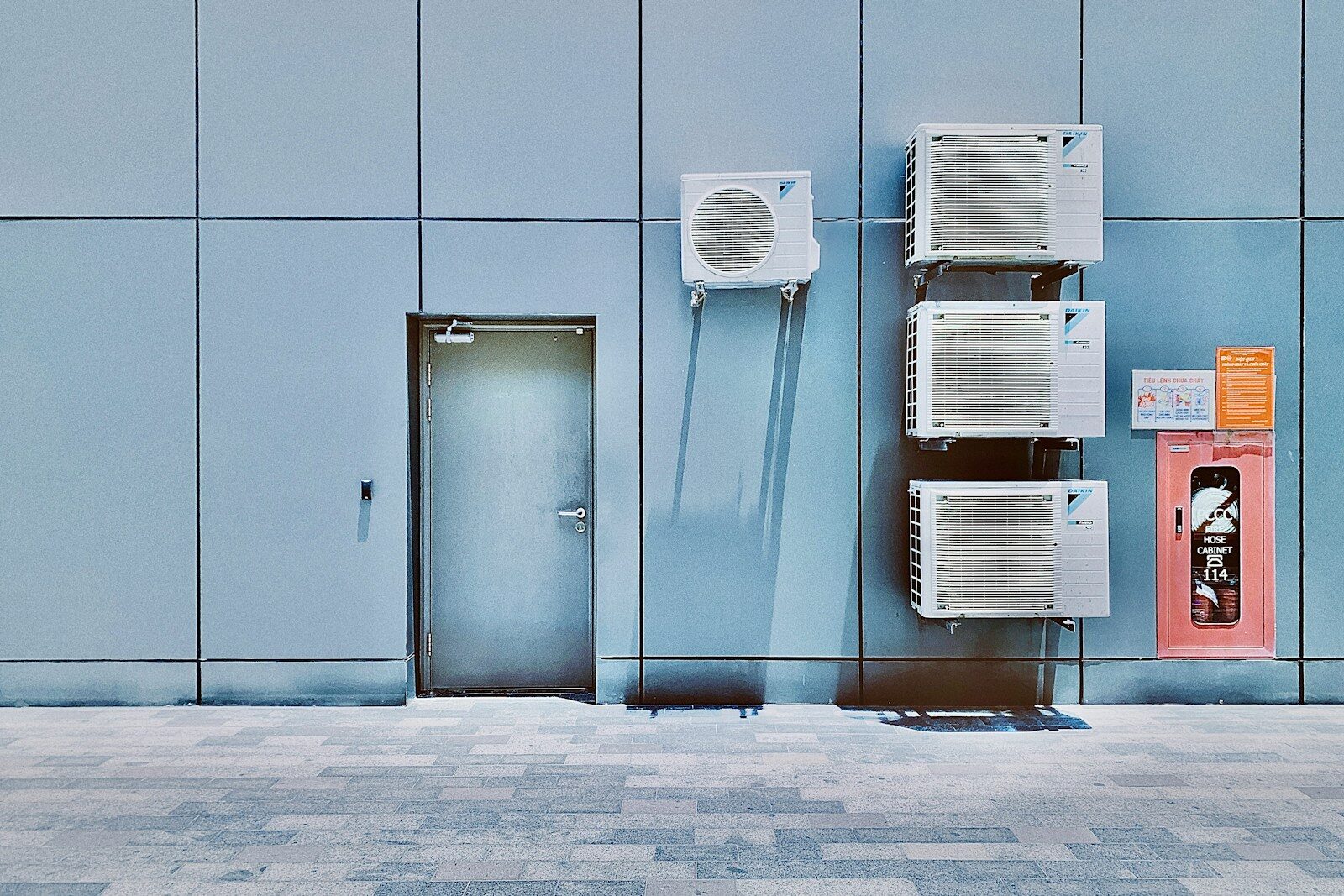
When it comes to heating and cooling your home, choosing the right system can have a major impact on your comfort, energy bills, and long-term maintenance costs. Two of the most common options homeowners consider are heat pumps and traditional HVAC systems. While both can effectively regulate indoor temperatures, they operate differently and offer distinct advantages depending on your needs and climate.
Understanding these differences can help you make a more informed decision—and consulting experienced HVAC contractors can ensure you choose the best system for your home.
What Is a Traditional HVAC System?
A traditional HVAC system typically consists of two separate components: a furnace for heating and an air conditioner for cooling. The furnace generates heat (usually powered by gas or electricity), while the air conditioner removes heat from inside your home and releases it outdoors.
These systems have been widely used for decades and are known for their reliability and strong heating performance, especially in colder climates.
What Is a Heat Pump?
A heat pump is a single system that provides both heating and cooling. Instead of generating heat, it transfers heat from one place to another. In the summer, it works like an air conditioner by removing heat from inside your home. In the winter, it pulls heat from the outside air and brings it indoors—even in cooler temperatures.
Because of this dual functionality, heat pumps are becoming increasingly popular, particularly in regions with mild to moderate climates.
Energy Efficiency: Which Is Better?
One of the biggest advantages of heat pumps is their energy efficiency. Since they transfer heat rather than generate it, they use significantly less energy compared to traditional heating systems.
Traditional HVAC systems, especially gas furnaces, can be efficient but typically consume more energy because they create heat rather than move it.
For homeowners looking to reduce their carbon footprint and lower utility bills, heat pumps often come out ahead. Many HVAC contractors recommend heat pumps as a more sustainable option, especially in areas like California where extreme cold is less common.
Performance in Different Climates
Climate plays a major role in determining which system is best for your home.
- Heat Pumps: Ideal for mild climates. They perform efficiently in areas where winters are not extremely cold. However, their efficiency can decrease in freezing temperatures.
- Traditional HVAC Systems: Better suited for colder regions. Gas furnaces can provide consistent and powerful heating even in sub-freezing conditions.
In warmer regions, a heat pump can often handle year-round comfort without the need for a separate heating system.
Installation and Upfront Costs
Heat pumps can sometimes have higher upfront installation costs compared to traditional systems, especially if your home requires upgrades to support the system.
Traditional HVAC systems may be less expensive initially, particularly if your home already has existing ductwork and infrastructure in place.
However, it’s important to consider long-term savings. Many homeowners find that the energy efficiency of heat pumps offsets the higher initial investment over time.
Maintenance and Longevity
Both systems require regular maintenance to perform at their best. This includes changing filters, cleaning components, and scheduling annual inspections.
Heat pumps run year-round, meaning they may experience more wear and tear compared to systems that only operate seasonally. However, with proper care, they can still provide long-lasting performance.
Traditional HVAC systems, with separate heating and cooling units, may have slightly longer lifespans for each individual component since they are not used continuously.
Working with reliable HVAC contractors ensures that your system—whether heat pump or traditional—is properly maintained and serviced.
Comfort and Air Quality
Both systems can provide consistent indoor comfort, but heat pumps often deliver more even temperatures because they run more continuously at lower intensities.
Traditional systems, especially furnaces, may create more noticeable temperature swings as they cycle on and off.
In terms of air quality, both systems can be equipped with filters, purifiers, and humidity controls to improve indoor air conditions. The key is proper installation and regular maintenance.
Environmental Impact
For homeowners focused on sustainability, heat pumps offer a clear advantage. They produce fewer greenhouse gas emissions and can be paired with renewable energy sources like solar power.
Traditional systems that rely on fossil fuels, such as natural gas, tend to have a larger environmental footprint.
As energy regulations and incentives continue to evolve, many HVAC contractors are encouraging homeowners to consider heat pumps as part of a greener home strategy.
Which Option Is Right for You?
The best choice ultimately depends on your location, budget, and long-term goals.
- Choose a heat pump if you live in a mild climate, want higher energy efficiency, and are interested in reducing your environmental impact.
- Choose a traditional HVAC system if you need strong heating performance in colder temperatures or want a lower upfront cost.
Consulting with experienced HVAC contractors is the best way to evaluate your home’s specific needs. They can assess factors like insulation, ductwork, and climate conditions to recommend the most effective solution.
Final Thoughts
Both heat pumps and traditional HVAC systems have their strengths, and there’s no one-size-fits-all answer. By understanding how each system works and weighing the pros and cons, you can make a confident decision that supports your comfort and energy goals.
With the right system in place—and guidance from trusted HVAC contractors—you’ll be well-equipped to enjoy reliable heating and cooling for years to come.
Get gorgeous projects via email
