

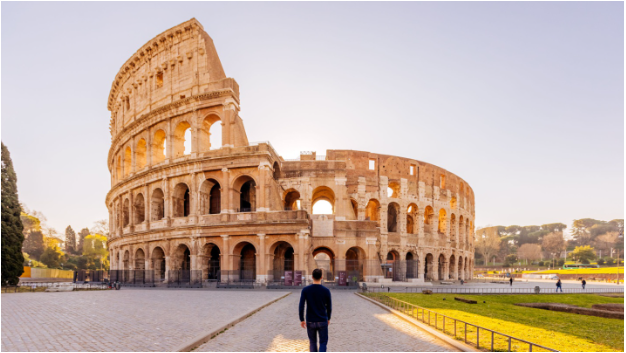
The ancient stonework as well as centuries-old beauty of Rome are very well – known. Monuments, archways as well as ruins tell the city’s story through reminders of its historic power. The newest stage in the architectural development of Rome is not carved into history or soaring out of marble. It is occurring quietly within the environments where students reside and develop.
Each year, a huge number of students arrive in Rome with fresh expectations about the way student accommodation Rome must fit into their lives. The housing culture of the city is being slowly reshaped by these expectations. What students desire today reflects contemporary values. Community, sustainability, peace of mind as well as a feeling of belonging. The city is being influenced by those values a lot more than the majority of people realize.
A New Type of Roman Living
In its buildings, Rome has always valued beauty as well as intent. The same spirit is now influencing the environments where students sleep, study and socialize. More accommodations are now being created that feel personal, flexible and psychologically comforting instead of just functional rooms.
After long days of classes, students need places in which they are able to unwind. They also would like spaces that promote connection, imagination, and balance. Architects as well as housing providers are experimenting with warm materials, multi-use areas and layouts that encourage quiet focus and social interaction to fulfill this need.
The Rise of Community Oriented Spaces
The emphasis on community is one of the most significant changes in the student housing in Rome. Shared kitchens, roomy lounges, co-working tables and terraces for students are now featured in more buildings. Newcomers tend to be aided by these spaces to make friends, form support networks and also feel much less isolated in a large city.
It’s a thoughtful design shift. Modern housing, inspired by principles of modern house design, is encouraging students to engage in communal life rather than solitary confinement in small rooms. The architecture itself encourages connection.
Design That Feels Personal and Emotional
Today’s students are confronted with academic pressure, cultural change, and the task of establishing a brand-new life far from home. The emotional quality of a space is as important as its physical form as a result of this fact.
The use of warm tones, small private corners, soft lighting as well as layouts which alleviate stress provide students with a more grounded feeling. A well-designed room can provide comfort during tough days as well as inspiration during productive ones. The contemporary design identity of Rome is increasingly influenced by this emotional sensitivity.
Platforms Helping Students Find Better Spaces
Platforms are emerging to assist students in finding suitable housing as these new values influence student living. An example is StudentAccommodationOne, which offers access to a number of living choices throughout the city. This type of tool is able to ease the burden of student accommodation rome for a lot of international students and provide a more direct path to a home that feels right.
A Modern Chapter in an Ancient City
While Rome is going to always be remembered because of its monumental past, its future has been authored in quieter locations. It dwells in the homes and rental houses of youngsters that come here to learn, develop, and make their very own stories.
While the locations students decide to reside may not be carved in stone, they nevertheless reflect the changing nature of Rome’s identity. They depict a city which is transforming into more and more sustainable, connected and emotional aware.
One lived moment at a time, students are developing Rome’s next architectural chapter in their tiny rooms and shared areas.
Get gorgeous projects via email
