

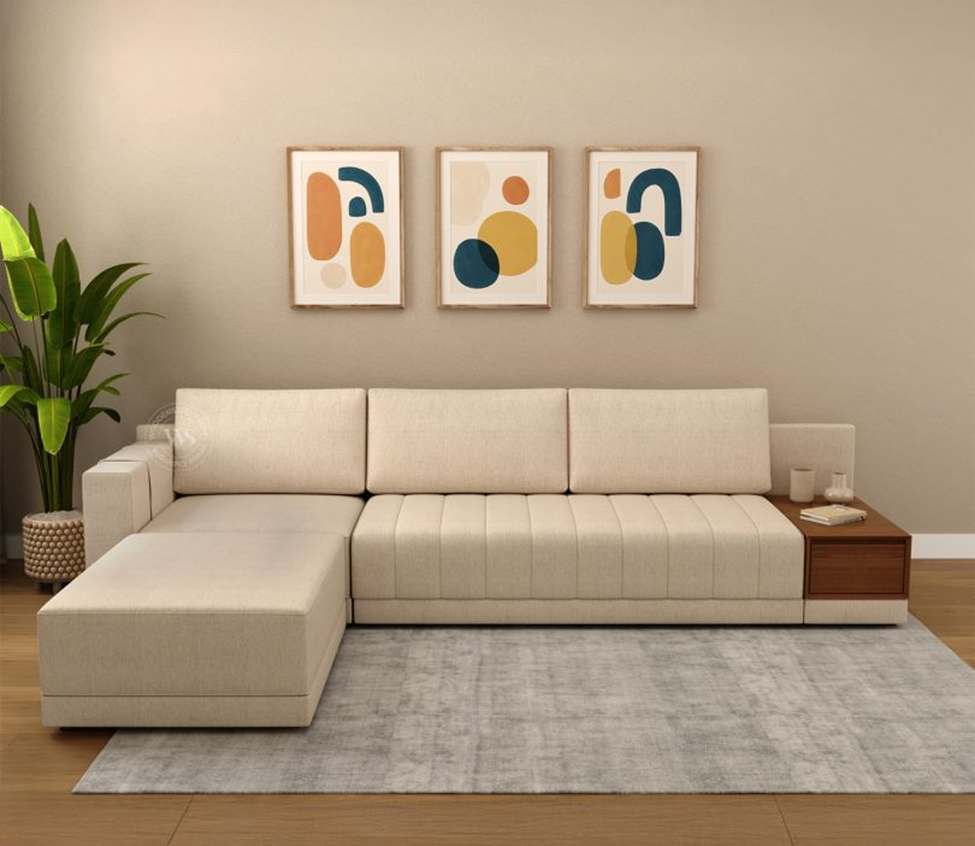
In Indian homes, every inch counts, and the way we place furniture decides whether a home feels open and airy or kind of jam-packed. With the right way of arranging the furniture, you can even make a small 2 BHK look bigger than a large flat, simply if you arrange the sofa, dining table, and bed in a well proportioned way. Placement is something that directly affects how freely people can move around, and whether the house is going to look welcoming or suffocating. The real trick is in balancing comfort, utility, and looks together. And for most Indian families, the challenge is the same: compact bedrooms where wardrobes take along half of the space, living rooms where one large-bulky sofa takes over the floor area, or awkward corners that never get used in a useful manner. With a little planning, these problems can be handled easily, let’s read how.
1. General Principles of Smart Furniture Placement
- Measure Before You Buy
We all get tempted seeing a big “L-shaped sofa” online, but without checking room size, it usually ends up blocking half the hall. A simple tape measure before buying saves both money and regret. - Create a Focal Point
Every room needs one clear focus. In most living rooms it’s either the TV or the window balcony view. And in bedrooms, it’s definitely the bed. So, it’s always better to place furniture around this central point to keep the layout perfectly balanced and well-organized. - Maintain Clear Pathways
For an airy, free-flow home arrangement; never block natural walkways by making them jam-packed with furniture. For example, a dining table kept squeezing near the kitchen door will always make it look like an obstacle, no matter how classily you decorate it. So, it’s better to leave at least two feet of space for free movement in the doorways. - Balance and Symmetry
Maintaining balance is also essential for a systematic look. For instance, if one side of your hall has a grand-sized wooden showcase, balance the other side by keeping lighter pieces like chairs or plants. Otherwise, the room is going to feel like a packed puzzle. - Multi-Functional Furniture
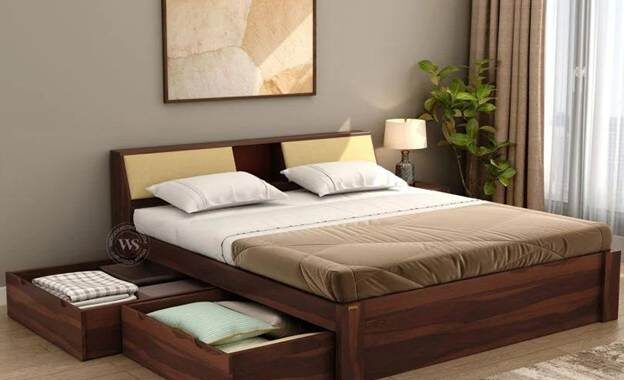
Small Indian homes love furniture that does more than one job. A sofa cum bed in the drawing room, a storage bed in the master bedroom, or a foldable study table for kids are all practical examples.
 Pin
Pin2. Room-by-Room Furniture Placement Tips
Living Room
- Arrange sofas and chairs around one point, usually the TV unit.
- Keep the coffee table small enough so people don’t bump into it while walking.
- Don’t push everything against the wall, sometimes keeping the sofa floated in the middle makes the room feel bigger.
Bedroom
- Place the bed along the largest wall, not blocking the window. This leaves circulation space on both sides.
- Side tables should be compact, just enough for a lamp and essentials.
- Storage beds are useful, but ensure wardrobe doors can open freely without hitting them.
Dining Room
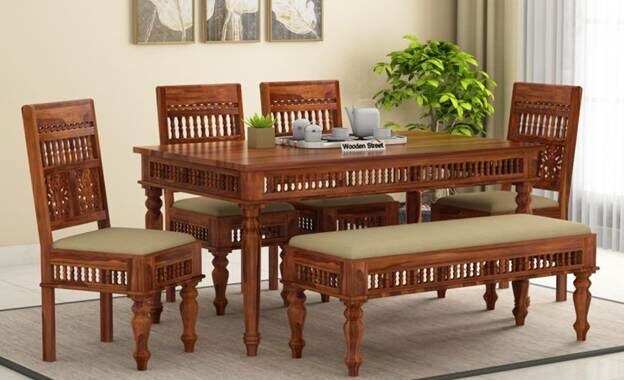
- A dining table looks best when centered, so that chairs can be pulled out easily.
- If the space is tight, use a bench on one side or extendable dining tables. Many families in metro cities prefer this trick.
 Pin
PinHome Office / Study
- Place the desk near natural light. It’s better for long hours and saves electricity.
- Wall-mounted shelves and compact cabinets are smarter than large almirahs here.
Entryway / Hallways
- Use slim-minimalistic shoe racks instead of those bulky ones that almost blocks the entryway.
- Keep console tables with wall hooks above them so that you can easily keep keys and bags handy without making clutter over its upper surface.
3. Space-Saving Techniques for Small Homes
- Modular furniture like sofa cum beds or extendable tables are the must-have furniture for small city flats as they save most of the space by being two-in-one furniture.
- Use tall storage cabinets or wall-mounted shelves, as these furniture pieces smartly cover the vertical spaces instead of spreading wide around the floor.
- Mirrors on walls or wardrobes can make your rooms feel bigger. And this is a common technique which homeowners in 1BHKs mostly follow!
- Make sure that the corner spaces are not being wasted. Thus, using an L-shaped sofa or corner bookshelf can make these spaces useful.
- Multi-purpose items like ottomans with storage or nested tables are really a practical choice for everyday use. Explore Wooden Street, where you can find some good options designed as per the compact homes’ needs.
4. Common Mistakes to Avoid & Final Tips
By following all the above useful tips, you can make your small home look bigger and feel airy as well. However, you should also avoid the following mistakes that mostly new-homeowner generally make:
- Placing every piece against the wall. It might feel like it saves space, but actually makes the room look flat.
- Filling the room with too many items. For example, having both a large sofa set and bean bags in a small hall.
- Ignoring natural light and ventilation while deciding placements.
Choosing oversized furniture without even checking room size. For instance, a massive dining table in a compact room is surely going to make the whole area unusable.
Not matching furniture scale with other elements. Such as, keeping a heavy wooden showcase beside a very light plastic chair will make your room look mismatched and awkward.
 Pin
PinFinal Tips
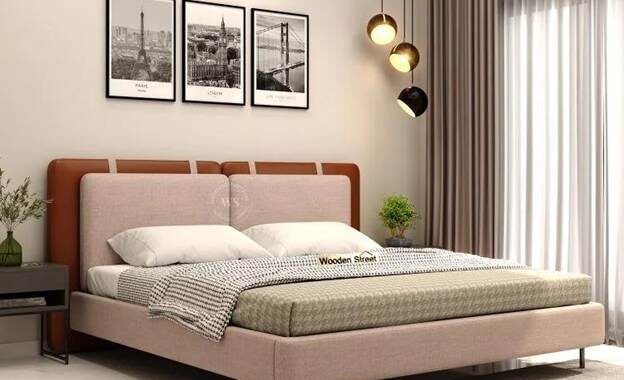
Always keep the furniture size in line with the room. A king size bed in a 10×10 bedroom leaves no space to walk. Comfort and movement should be the first priority. Try reshuffling layouts once in a while, so that it often brings freshness without spending anything. And when buying new pieces, explore modular or compact furniture online. You can visit Wooden Street as there you will find many options that are made for modern Indian homes where space is always at a premium.
Get gorgeous projects via email
